Blog

  • 7 Best IPTV Service Providers in 2025: The Ultimate Review

    7 Best IPTV Service Providers in 2025: The Ultimate Review

    Introduction: Best IPTV Service Providers

    As the digital landscape evolves, IPTV service providers are at the forefront of delivering entertainment directly to our screens. With the year 2025 upon us, the demand for IPTV services has skyrocketed, thanks to advancements in technology and user preferences shifting towards convenient, on-demand content. The world of IPTV service providers is vast, with myriad options catering to diverse needs and preferences. In this comprehensive guide, we’ll explore the top IPTV service providers of 2025, their key features, benefits, and why they stand out in an increasingly crowded market.
    Best IPTV Service Providers

    What is IPTV Service Providers?

    IPTV, or Internet Protocol Television, revolutionizes the way we consume television by using the internet to deliver live and on-demand content. IPTV service providers utilize IP networks to provide viewers with digital television services, including live TV, video on demand, and time-shifted media. Unlike traditional cable or satellite TV, IPTV content is streamed through your internet connection, offering greater flexibility and choice.

    The history of IPTV dates back to the late 1990s, but it gained significant traction in the 2000s with the proliferation of high-speed internet. IPTV service providers offer a wide array of channels and content that can be accessed on various devices, including smartphones, tablets, smart TVs, and computers. By leveraging the internet, IPTV service providers can offer personalized content, interactive features, and a more streamlined viewing experience.

    Key Features & Benefits of IPTV Service Providers

    IPTV service providers offer numerous advantages that make them appealing to modern viewers. One of the primary benefits is the extensive content library, which includes live TV channels from around the world, movies, series, and exclusive shows. Users can access this content at their convenience, making IPTV an excellent choice for those who prefer on-demand viewing.

    Another significant advantage is the ability to customize your viewing experience. IPTV service providers often offer packages that can be tailored to individual preferences, allowing users to select only the channels and content they are interested in. This customization not only enhances user satisfaction but can also be more cost-effective compared to traditional cable bundles.

    Moreover, IPTV service providers often include advanced features such as pause, rewind, and record, enhancing the flexibility and control users have over their viewing experience. With the integration of EPG (Electronic Program Guide), users can easily navigate through available content, plan their viewing schedule, and set reminders for their favorite shows.

    Comparison with Competitors

    The IPTV market is highly competitive, with numerous service providers vying for attention. To help you make an informed decision, we’ve compared some of the leading IPTV service providers against traditional cable and satellite services.

    • Content Variety: IPTV service providers typically offer a broader range of international channels compared to cable or satellite services.
    • Cost: IPTV services often have lower subscription fees, with flexible package options to suit different budgets.
    • Flexibility: IPTV allows for viewing on multiple devices, providing greater flexibility than traditional services.
    • Quality: Streaming quality can vary based on internet speed, but many IPTV services offer HD or 4K content.

    Step-by-Step Setup Guide for IPTV Service Providers

    Setting up IPTV with your device is straightforward. Here’s how you can get started on different platforms:

    Firestick

    1. Navigate to the Amazon App Store and download an IPTV app.

    2. Open the app and input the subscription details provided by your IPTV service provider.

    3. Customize your settings and start streaming.

    Android

    1. Visit the Google Play Store and search for a compatible IPTV app.

    2. Download and install the app.

    3. Enter the login credentials from your IPTV service provider.

    4. Adjust settings as needed and enjoy your content.

    iOS

    1. Access the Apple App Store and find an IPTV player app.

    2. Download and install the application.

    3. Use your IPTV service provider’s login information to access the content.

    Smart TV

    1. Go to your TV’s app store and search for an IPTV app.

    2. Install the app and launch it.

    3. Enter your IPTV service provider’s details to start watching.

    [Middle_IMAGE]

    Best Devices for IPTV Service Providers

    While IPTV can be accessed on various devices, certain hardware offers a superior experience. Here are some top recommendations:

    Nvidia Shield

    Known for its powerful processing capabilities, the Nvidia Shield provides an exceptional streaming experience with support for 4K HDR content and Dolby Atmos sound, making it ideal for IPTV.

    Amazon Fire Cube

    The Fire Cube combines the functionality of a Firestick with Alexa voice control, offering hands-free streaming and seamless integration with other smart home devices.

    Apple TV

    Apple TV is another excellent option, offering high-quality video and audio, a user-friendly interface, and access to the vast Apple ecosystem.

    Legal Landscape & Safety for IPTV Service Providers

    The legality of IPTV service providers varies by region and depends on the specific service. Some IPTV providers operate legally by obtaining licenses for the content they offer, while others may not be authorized, which can pose legal risks for users.

    To ensure safety and privacy, using a VPN is highly recommended when accessing IPTV services. A VPN can mask your IP address, encrypt your internet connection, and help protect your identity and data from potential threats.

    Common Problems & Troubleshooting

    Despite the many advantages of IPTV, users occasionally encounter issues. Here are some common problems and troubleshooting tips:

    Buffering

    Buffering is usually caused by slow internet speeds or high network traffic. Ensure your internet connection meets the required speed for streaming and close any background applications that may be consuming bandwidth.

    EPG Issues

    If your Electronic Program Guide (EPG) is not displaying correctly, try refreshing the guide or restarting the IPTV app. Ensure that your IPTV service provider supports EPG features.

    Login Errors

    Login errors can occur if your subscription details are incorrect. Double-check your username and password, and contact your IPTV service provider for assistance if the issue persists.

    Pricing & Cost Analysis of IPTV Service Providers

    IPTV services are generally more affordable than traditional cable or satellite subscriptions. Prices can range from $10 to $20 per month, depending on the package and features offered by the IPTV service provider. While some services may have hidden costs, such as additional fees for premium content or add-ons, many users find the cost savings and flexibility of IPTV to be well worth it.

    Future Predictions for 2025/2026

    The future of IPTV service providers looks promising, with continued advancements in technology and a growing user base. We can expect even more personalized content, higher quality streaming options, and integration with emerging technologies such as virtual reality and AI-driven recommendations. As the industry evolves, IPTV service providers will continue to innovate, offering enhanced features and better user experiences.

    User Reviews & Community Feedback on IPTV Service Providers

    Users of IPTV services often praise the convenience and variety of content available. Many appreciate the ability to watch international channels and access shows that are not available through traditional cable services. However, some users have expressed concerns about occasional service disruptions and the legality of certain providers. Reading user reviews and joining online communities can provide valuable insights into the reliability and performance of different IPTV service providers.

    Conclusion & Final Verdict

    In conclusion, IPTV service providers offer a versatile and cost-effective alternative to traditional TV services. With a wide range of content, flexible viewing options, and advanced features, it’s no wonder IPTV is becoming the preferred choice for many viewers in 2025. Before selecting an IPTV service provider, consider your viewing habits, budget, and the legality of the service in your region. For more information on setting up IPTV on your devices, check out our guide on IPTV setup for Smart TV. Explore the future of entertainment with IPTV and enjoy a truly personalized viewing experience.
  • 7 Best IPTV Subscription Services in 2025: The Ultimate Review

    7 Best IPTV Subscription Services in 2025: The Ultimate Review

    Introduction: Best IPTV Subscription Services in 2025

    As the landscape of digital entertainment continues to evolve, the demand for IPTV subscription services has seen a significant surge. By 2025, IPTV has become an essential component for those seeking a flexible and diverse viewing experience. But what exactly is an IPTV subscription, and why should you consider one? In this comprehensive guide, we’ll explore the ins and outs of IPTV subscriptions, the trends shaping the industry in 2025, and how you can make the most of this technology.

    An IPTV subscription allows you to stream television content over the internet rather than through traditional satellite or cable formats. This modern approach to TV viewing offers a plethora of advantages, including access to a broader range of channels, on-demand content, and the ability to watch on multiple devices. As we delve into the specifics, you’ll see why more and more people are cutting the cord and turning to IPTV subscriptions for their entertainment needs.

    The year 2025 has ushered in new trends in the IPTV industry, with advancements in technology making services more accessible and user-friendly. From enhanced streaming quality to personalized viewing options, the IPTV market is teeming with innovations. Whether you’re a seasoned IPTV user or a curious newcomer, this guide will provide you with the ultimate insight into the world of IPTV subscriptions.

    iptv subscription

    What is IPTV Subscription?

    IPTV, or Internet Protocol Television, is a service that delivers television content via IP networks. Unlike traditional TV formats that rely on satellite or cable, IPTV streams directly through the internet, offering a more versatile and accessible viewing experience. An IPTV subscription provides users with a way to watch live TV channels, on-demand content, and even access exclusive programming that might not be available through conventional means.

    The concept of IPTV isn’t entirely new; its roots can be traced back to the early days of broadband internet. Initially, IPTV was a niche service, primarily used by tech enthusiasts. However, as internet speeds improved and streaming technology advanced, IPTV subscriptions became more mainstream. Today, the service is a popular choice for cord-cutters looking for an alternative to traditional TV packages.

    In technical terms, IPTV works by delivering content through a managed network that ensures a higher quality of service when compared to standard internet video streams. This is achieved through the use of dedicated servers and optimized delivery protocols. As a result, users enjoy a seamless viewing experience with minimal buffering and high-quality video.

    Key Features & Benefits

    Choosing an IPTV subscription brings a multitude of benefits that make it a compelling option for modern viewers. One of the primary advantages is the extensive range of channels available. Unlike traditional TV services that offer limited packages, IPTV subscriptions provide access to thousands of channels from around the world, catering to diverse tastes and preferences.

    Another significant benefit is the flexibility that IPTV offers. With an IPTV subscription, you can watch content on various devices, including smartphones, tablets, smart TVs, and streaming boxes. This means you can enjoy your favorite shows and movies on the go, without being tied to a single device or location.

    On-demand content is another major draw of IPTV subscriptions. In addition to live TV, users can access a vast library of movies, series, and documentaries at their convenience. This feature eliminates the need to adhere to broadcast schedules, allowing viewers to enjoy content on their terms.

    Furthermore, IPTV subscriptions often include features such as catch-up TV, which lets you watch missed episodes, and DVR functionality, enabling you to record shows for later viewing. These features add significant value to the viewing experience, making IPTV a superior choice for many users.

    Comparison with Competitors

    When considering an IPTV subscription, it’s essential to compare it with other streaming services to understand its unique advantages. Here’s a detailed comparison table that highlights key differences:

    • IPTV Subscription: Offers live TV channels, on-demand content, catch-up TV, and DVR features. Typically requires a stable internet connection and a compatible device.
    • Streaming Services (e.g., Netflix, Hulu): Primarily focus on on-demand content. They do not offer live TV channels. Content libraries vary by region.
    • Traditional Cable/Satellite TV: Offers live TV and some on-demand content. Generally more expensive, with less flexibility in channel selection and device compatibility.

    In conclusion, IPTV subscriptions stand out due to their comprehensive offerings and flexibility. While traditional cable and satellite TV services provide live channels, they often come with higher costs and limited viewing options. In contrast, streaming services like Netflix and Hulu excel in on-demand content but lack live TV. IPTV subscriptions bridge this gap by offering a blend of both, making them an attractive choice for modern viewers.

    Step-by-Step Setup Guide

    Setting up an IPTV subscription may seem daunting at first, but with the right guidance, it becomes a straightforward process. Here’s a detailed tutorial on how to set up IPTV on various devices:

    Setting Up IPTV on Firestick

    1. Connect your Firestick to your TV and ensure it’s connected to the internet.
    2. Navigate to the Amazon App Store and search for an IPTV app, such as “IPTV Smarters” or “TiviMate”.
    3. Download and install the app.
    4. Launch the app and enter the login credentials provided by your IPTV service provider.
    5. Once logged in, you can start browsing and watching your favorite channels.

    Setting Up IPTV on Android Devices

    1. Open the Google Play Store on your Android device.
    2. Search for an IPTV app and install it.
    3. Launch the app and input the playlist URL or Xtream Codes provided by your IPTV provider.
    4. After entering the details, your channel list will load, and you can start streaming.

    Setting Up IPTV on iOS Devices

    1. Open the App Store on your iOS device.
    2. Search for an IPTV app like “GSE Smart IPTV” and install it.
    3. Open the app and navigate to the “Remote Playlists” section.
    4. Add your IPTV playlist by entering the URL provided by your service provider.
    5. Save the playlist, and you can now access your channels.

    Setting Up IPTV on Smart TVs

    1. Access the app store on your Smart TV (e.g., Google Play Store or Samsung App Store).
    2. Search for an IPTV app compatible with your TV model.
    3. Download and install the app.
    4. Launch the app and enter the IPTV service details.
    5. Once set up, you can navigate through channels and enjoy your IPTV subscription on the big screen.

    best iptv subscription

    Best Devices for IPTV Subscription

    To get the best experience from your IPTV subscription, it’s crucial to use a compatible device that supports high-quality streaming. Here are some of the top recommendations:

    Nvidia Shield TV

    The Nvidia Shield TV is a powerful streaming device known for its exceptional performance and versatility. It supports 4K HDR streaming, making it an excellent choice for IPTV subscribers who want superior video quality. Additionally, its powerful processor ensures smooth playback and fast navigation through channels.

    Amazon Fire TV Cube

    The Amazon Fire TV Cube is another fantastic option for IPTV users. It combines the functionality of a streaming media player with Alexa voice control, allowing for hands-free navigation. The Fire TV Cube supports 4K Ultra HD and Dolby Atmos, ensuring an immersive viewing experience.

    Apple TV 4K

    For Apple enthusiasts, the Apple TV 4K is a solid choice. It seamlessly integrates with other Apple devices and services, offering a user-friendly interface and high-quality streaming. With support for 4K HDR and Dolby Vision, it delivers stunning visuals that enhance your IPTV subscription experience.

    Legal Landscape & Safety

    As IPTV subscriptions continue to gain popularity, questions about their legality and safety arise. The legality of IPTV services largely depends on the source of the content. Licensed services that have agreements with content providers are legal, while unlicensed services that stream copyrighted material without permission are not. It’s crucial for users to choose reputable IPTV providers to avoid legal issues.

    To ensure safety while using IPTV subscriptions, it’s advisable to use a VPN (Virtual Private Network). A VPN encrypts your internet connection, protecting your online activity from prying eyes. This added layer of security is particularly important if you’re accessing IPTV streams from unverified sources, as it helps maintain your privacy and anonymity.

    For more information on the legality of IPTV, you can refer to this detailed guide.

    Common Problems & Troubleshooting

    Despite the advantages of IPTV subscriptions, users may encounter common issues such as buffering, EPG (Electronic Program Guide) errors, and login problems. Here are some troubleshooting tips:

    Buffering Issues

    Buffering is often caused by a slow or unstable internet connection. To resolve this, ensure your device is connected to a high-speed network. You can also reduce the video quality settings within your IPTV app to minimize buffering.

    EPG Errors

    EPG issues, such as missing or incorrect program listings, can be frustrating. This can be resolved by refreshing the EPG data within your app settings. Additionally, make sure your IPTV provider offers accurate EPG data for the channels you watch.

    Login Problems

    If you’re experiencing login issues, double-check that you’re entering the correct credentials. If the problem persists, contact your IPTV provider for assistance, as there might be issues with your account or service.

    Pricing & Cost Analysis

    The cost of an IPTV subscription varies depending on the provider and the features included. Generally, IPTV services offer competitive pricing compared to traditional cable or satellite TV packages. However, it’s essential to be aware of potential hidden costs, such as additional fees for premium channels or multi-device access.

    When evaluating if an IPTV subscription is worth it, consider the range of channels, on-demand content, and features offered. Many users find that the flexibility and cost savings of IPTV make it a valuable investment for their entertainment needs.

    Future Predictions for 2025/2026

    As we look toward the future of IPTV subscriptions in 2025 and beyond, several exciting developments are on the horizon. One trend is the increased integration of AI and machine learning, which will enhance content recommendations and personalized viewing experiences.

    Additionally, the rollout of 5G technology will further improve streaming quality and reduce latency, making IPTV services even more reliable. We can also expect more partnerships between IPTV providers and content creators, leading to exclusive programming and unique viewing options for subscribers.

    User Reviews & Community Feedback

    Real-user reviews and community feedback are invaluable resources when considering an IPTV subscription. Many users praise IPTV services for their extensive channel offerings and flexibility. However, some users have reported issues with unreliable streams or poor customer support from certain providers.

    It’s essential to research and choose a reputable IPTV provider with positive reviews and active community support. Engaging with online forums and user groups can provide insights into the experiences of other IPTV users and help you make an informed decision.

    Conclusion & Final Verdict

    In conclusion, an IPTV subscription offers a modern and versatile approach to television viewing. With access to a vast array of channels, on-demand content, and user-friendly features, IPTV is a compelling choice for those looking to enhance their entertainment experience. As we navigate through 2025 and beyond, the advancements in technology and content offerings make IPTV a worthy investment.

    Ready to explore the world of IPTV? Visit IPTV Put to find the right IPTV subscription for your needs. For further inquiries, feel free to contact us.

    For more information on IPTV and how it works, be sure to check out this comprehensive guide.

    External references: TechRadar, CNET, Digital Trends, Wikipedia

  • 7 Best IPTV Services in 2025: The Ultimate Review

    7 Best IPTV Services in 2025: The Ultimate Review

    As we look ahead to the evolving landscape of digital entertainment, the realm of IPTV continues to capture the imagination of viewers worldwide. The best IPTV 2025 options promise to revolutionize how we access television content, providing a seamless, on-demand viewing experience. In this comprehensive guide, we’ll delve into the top IPTV services of 2025, explore the latest trends, and provide a detailed analysis of what to expect from this technology. Whether you’re a seasoned IPTV user or a newcomer, this guide will equip you with the knowledge to make informed decisions in the ever-changing world of IPTV.

    best iptv 2025

    What is Best IPTV 2025?

    The best IPTV 2025 represents the pinnacle of internet-based television services, offering users an alternative to traditional cable and satellite TV. IPTV, which stands for Internet Protocol Television, leverages the internet to deliver television programming directly to your device. This technology has been around for a while, but advancements in internet speeds and streaming technologies have propelled it to new heights in 2025.

    Unlike traditional broadcasting methods, IPTV sends content through the internet, allowing for a more customizable and interactive user experience. Users can access a vast library of content, including live TV channels, on-demand movies, and series, all with the flexibility to pause, rewind, and fast-forward. The best IPTV 2025 services are engineered to provide high-definition content with minimal buffering, thanks to cutting-edge compression technologies and robust server infrastructures.

    Historically, the development of IPTV can be traced back to the early 1990s, but it wasn’t until the early 21st century that it gained widespread popularity. The rapid growth of broadband internet and the proliferation of smart devices have contributed significantly to its adoption. Today, IPTV is at the forefront of digital entertainment, offering an unparalleled viewing experience that caters to the demands of modern audiences.

    Key Features & Benefits of Best IPTV 2025

    The best IPTV 2025 services come packed with a myriad of features and benefits that redefine the television viewing experience. One of the standout features is the extensive content library, which includes thousands of channels from around the globe. This diverse selection ensures that there is something for everyone, from sports enthusiasts to movie buffs and international content fans.

    Another significant advantage is the flexibility that IPTV offers. Unlike traditional TV subscriptions that bind users to rigid schedules, IPTV allows viewers to watch content at their convenience. With features like catch-up TV and video on demand (VOD), users can access their favorite shows and movies anytime, anywhere, provided they have an internet connection.

    The quality of content is another crucial factor that sets the best IPTV 2025 services apart. With support for 4K and even 8K streaming, users can enjoy crystal-clear video quality that rivals, or in some cases, surpasses that of cable and satellite TV. Additionally, advanced compression algorithms ensure that this high-quality content is delivered smoothly, with minimal buffering and latency.

    Furthermore, IPTV services often come with intuitive interfaces and user-friendly apps that enhance the overall experience. Many providers offer compatibility with a range of devices, including smartphones, tablets, smart TVs, and dedicated streaming devices, making it easy for users to access content on their preferred platforms.

    Comparison with Competitors: Best IPTV 2025

    When evaluating the best IPTV 2025 services, it’s essential to consider how they stack up against traditional competitors like cable and satellite TV. Here’s a detailed comparison table that highlights the differences:

    • Content Variety: IPTV offers a broader range of channels and on-demand content compared to cable and satellite, which are often limited by geographical constraints.
    • Flexibility: IPTV provides unmatched flexibility, allowing users to watch content on multiple devices and access shows on their schedule, unlike cable’s fixed programming.
    • Cost: IPTV services are generally more cost-effective than traditional cable subscriptions, as they often don’t require long-term contracts or additional equipment fees.
    • Quality: With support for high-definition and ultra-high-definition content, IPTV can deliver superior picture quality compared to standard cable or satellite broadcasts.
    • Interactivity: IPTV platforms frequently include interactive features such as live chat, voting, and real-time statistics, enhancing viewer engagement.

    Despite these advantages, IPTV does face competition from other streaming services like Netflix and Hulu, which offer extensive on-demand libraries. However, the best IPTV 2025 services often include live TV channels in addition to on-demand content, providing a more comprehensive entertainment solution.

    Step-by-Step Setup Guide for Best IPTV 2025

    Setting up the best IPTV 2025 service on your device is a straightforward process, designed to get you streaming your favorite content with minimal hassle. Here’s a detailed guide to help you get started on various platforms:

    Firestick

    1. Ensure your Firestick is connected to your TV and powered on.
    2. Navigate to the “Search” function on the home screen and type in the name of your chosen IPTV app.
    3. Select the app from the search results and click “Download” or “Get” to install it.
    4. Once installed, open the app and log in using your IPTV service credentials.
    5. Explore the interface to find live TV channels, on-demand content, and other features.

    Android

    1. Open the Google Play Store on your Android device.
    2. Search for your preferred IPTV app and tap “Install” to download it.
    3. After installation, launch the app and sign in with your IPTV account details.
    4. Browse through the available content and start streaming.

    iOS

    1. Access the App Store on your iOS device.
    2. Search for the IPTV application of your choice and tap “Get” to install it on your device.
    3. Once installed, open the app and enter your IPTV login information.
    4. Navigate the app to find and stream your desired content.

    Smart TV

    1. Turn on your Smart TV and access the app store available on your TV’s platform (e.g., LG Content Store, Samsung Smart Hub).
    2. Search for your IPTV provider’s app and proceed with the installation.
    3. After installation, launch the app and input your account credentials.
    4. Start exploring the app’s features and enjoy streaming high-quality content directly on your TV.
    best iptv 2025

    Best Devices for Best IPTV 2025

    To fully enjoy the best IPTV 2025 services, it’s crucial to have the right hardware that can handle high-definition streaming and provide a seamless viewing experience. Here are some top device recommendations:

    Nvidia Shield

    The Nvidia Shield is a powerhouse when it comes to streaming devices, offering robust performance and support for 4K HDR content. Its powerful processor ensures smooth playback, making it an excellent choice for IPTV enthusiasts looking for top-tier quality.

    Amazon Fire TV Cube

    The Amazon Fire TV Cube combines the functionality of a streaming device with the capabilities of Alexa, Amazon’s voice assistant. This dual-feature device supports 4K Ultra HD streaming and offers hands-free control, allowing you to manage your IPTV content effortlessly.

    Apple TV 4K

    For those entrenched in the Apple ecosystem, the Apple TV 4K provides a seamless integration with other Apple devices. It supports Dolby Vision and HDR10, delivering exceptional picture quality for your IPTV service.

    These devices, among others, ensure that you get the most out of your IPTV experience, providing the necessary power and features to handle high-quality streaming seamlessly.

    Legal Landscape & Safety: Best IPTV 2025

    The legality of IPTV services can be a gray area, as it often depends on the provider and the content being accessed. In general, legitimate IPTV services that have the appropriate licensing agreements to distribute content are legal. However, users should be wary of unlicensed services that may offer pirated content, as using such services can lead to legal repercussions.

    To stay safe while using IPTV, it’s advisable to employ a VPN (Virtual Private Network). A VPN encrypts your internet connection, providing an additional layer of security and privacy. It can also help bypass geographical restrictions, allowing you to access content that may be blocked in your region.

    For more information on IPTV legality and safety, you can visit authoritative sources such as IPTV Safety Guide or consult legal experts. Additionally, sites like CNET and TechRadar offer insights into the legal considerations surrounding IPTV.

    Common Problems & Troubleshooting for Best IPTV 2025

    While IPTV offers a modern and flexible way to watch television, users may encounter some common issues. Here’s a look at frequent problems and their solutions:

    Buffering

    Buffering can disrupt your viewing experience, but it is often caused by insufficient internet speed or network congestion. To resolve this, ensure that you have a stable and fast internet connection. Closing other internet-intensive applications can also help reduce buffering.

    EPG Issues

    The Electronic Program Guide (EPG) may occasionally fail to update or display incorrect information. This issue can typically be resolved by refreshing the EPG data within your IPTV app or contacting your service provider for assistance.

    Login Errors

    If you’re unable to log into your IPTV account, double-check your login credentials for accuracy. If the problem persists, resetting your password or contacting customer support may be necessary to regain access.

    For more troubleshooting tips, you can refer to this guide on fixing IPTV buffering issues.

    Pricing & Cost Analysis: Best IPTV 2025

    When considering the cost of the best IPTV 2025 services, it’s essential to weigh the value you receive against the price you pay. IPTV services generally offer competitive pricing compared to traditional cable subscriptions, often without the need for long-term contracts or additional fees.

    However, potential hidden costs may include subscription renewals, additional channel packages, or the need for a high-quality internet connection. It’s crucial to review the pricing details of each service to ensure it fits within your budget.

    In many cases, the cost savings from switching to IPTV can be significant, especially when combined with the convenience and content variety it offers.

    Future Predictions for 2025/2026

    As we look beyond 2025, the future of IPTV holds exciting possibilities. Continued advancements in internet infrastructure and technology are likely to enhance the quality and accessibility of IPTV services even further.

    We can expect the integration of artificial intelligence and machine learning to personalize viewing experiences, offering content recommendations based on user preferences and viewing habits. Additionally, the expansion of 5G networks will likely improve streaming speeds and reduce latency, enhancing the overall IPTV experience.

    The adoption of virtual and augmented reality technologies may also play a role in the evolution of IPTV, providing immersive viewing experiences and redefining how we engage with content.

    User Reviews & Community Feedback

    Feedback from real users is invaluable when evaluating the best IPTV 2025 services. Many users praise the extensive content libraries and flexibility that IPTV offers, often highlighting the convenience of on-demand viewing and the elimination of traditional cable contracts.

    However, some users have voiced concerns about the reliability of certain IPTV services, citing occasional buffering or service outages. It’s important to choose a reputable provider with a strong track record of customer satisfaction.

    Engaging with online communities and forums can provide additional insights and recommendations from fellow IPTV users. Websites like Digital Trends and Wikipedia also offer valuable information on IPTV services and user experiences.

    Conclusion & Final Verdict

    In conclusion, the best IPTV 2025 services offer a compelling alternative to traditional television, providing a diverse array of content, flexibility, and superior quality. As technology continues to evolve, IPTV is poised to become an integral part of the digital entertainment landscape.

    If you’re considering making the switch to IPTV, now is an excellent time to explore your options and embrace the future of television. For more information and guidance, visit IPTV Put and explore their range of articles, including IPTV vs. Cable: Which is Better? and Airtel IPTV Plans.

  • 7 Essential IPTV vs Cable Insights for 2025: The Ultimate Review

    7 Essential IPTV vs Cable Insights for 2025: The Ultimate Review

    As we move into 2025, the debate of IPTV vs cable continues to dominate discussions among tech enthusiasts and everyday consumers alike. With the rapid evolution of technology and media consumption habits, understanding the differences between IPTV and cable is more critical than ever. IPTV, or Internet Protocol Television, offers a modern alternative to traditional cable services, providing users with a versatile, internet-based streaming experience. In this article, we’ll explore the key differences, benefits, and future trends in IPTV vs cable, helping you make an informed decision for your media needs.

    iptv vs cable

    What is IPTV vs Cable?

    To fully appreciate the debate of IPTV vs cable, it’s essential to understand what each service entails. IPTV, or Internet Protocol Television, is a digital streaming service that delivers television content through the internet. Unlike traditional cable, which relies on satellite signals or cable networks, IPTV uses IP networks to deliver media content to users. This allows for more flexibility in terms of device compatibility and viewing options, as users can access IPTV services on smartphones, tablets, smart TVs, and computers.

    Cable TV, on the other hand, is a more traditional broadcasting method that has been around for decades. It involves delivering television programs via coaxial cables directly to the user’s television set. While cable TV offers a wide variety of channels, it lacks the flexibility and advanced features of IPTV. Historically, cable TV was the primary method of receiving television broadcasts, but with the advent of the internet and streaming services, IPTV has gained considerable traction.

    IPTV’s origins can be traced back to the early 1990s, but it wasn’t until the widespread availability of high-speed internet that it became a viable competitor to cable TV. Today, IPTV services offer a range of features such as on-demand content, live TV, and time-shifted media, making it an attractive option for modern viewers. As we delve deeper into the IPTV vs cable discussion, it becomes clear that each service has its unique advantages and drawbacks.

    Key Features & Benefits

    When considering IPTV vs cable, it’s crucial to examine the unique features and benefits that each service offers. IPTV stands out for its flexibility and customization options, allowing users to tailor their viewing experience to their preferences. With IPTV, users have access to a vast library of on-demand content, including movies, TV shows, and live broadcasts. This level of choice is unparalleled in traditional cable services, where programming is often restricted to predetermined schedules.

    Another significant advantage of IPTV is its compatibility with a range of devices. Whether you’re using a smartphone, tablet, smart TV, or computer, IPTV services can be accessed on virtually any internet-enabled device. This means you can enjoy your favorite shows and movies wherever you are, without being tethered to a single television set. Furthermore, IPTV offers features like pause, rewind, and fast-forward, enhancing the overall viewing experience.

    Cable TV, while limited in some aspects, does offer certain benefits that appeal to specific audiences. For example, cable TV often provides more stable connections and better picture quality, particularly in areas with unreliable internet access. Additionally, cable TV packages frequently include bundled services such as internet and phone, which can be cost-effective for households looking to consolidate their bills.

    Comparison with Competitors

    In the battle of IPTV vs cable, it’s essential to consider how each service stacks up against its competitors. Here’s a detailed comparison:

    • Content Variety: IPTV offers a wide array of on-demand content and live TV options, while cable typically provides a fixed selection of channels. IPTV’s flexibility in content delivery is a significant advantage for users seeking a more personalized viewing experience.
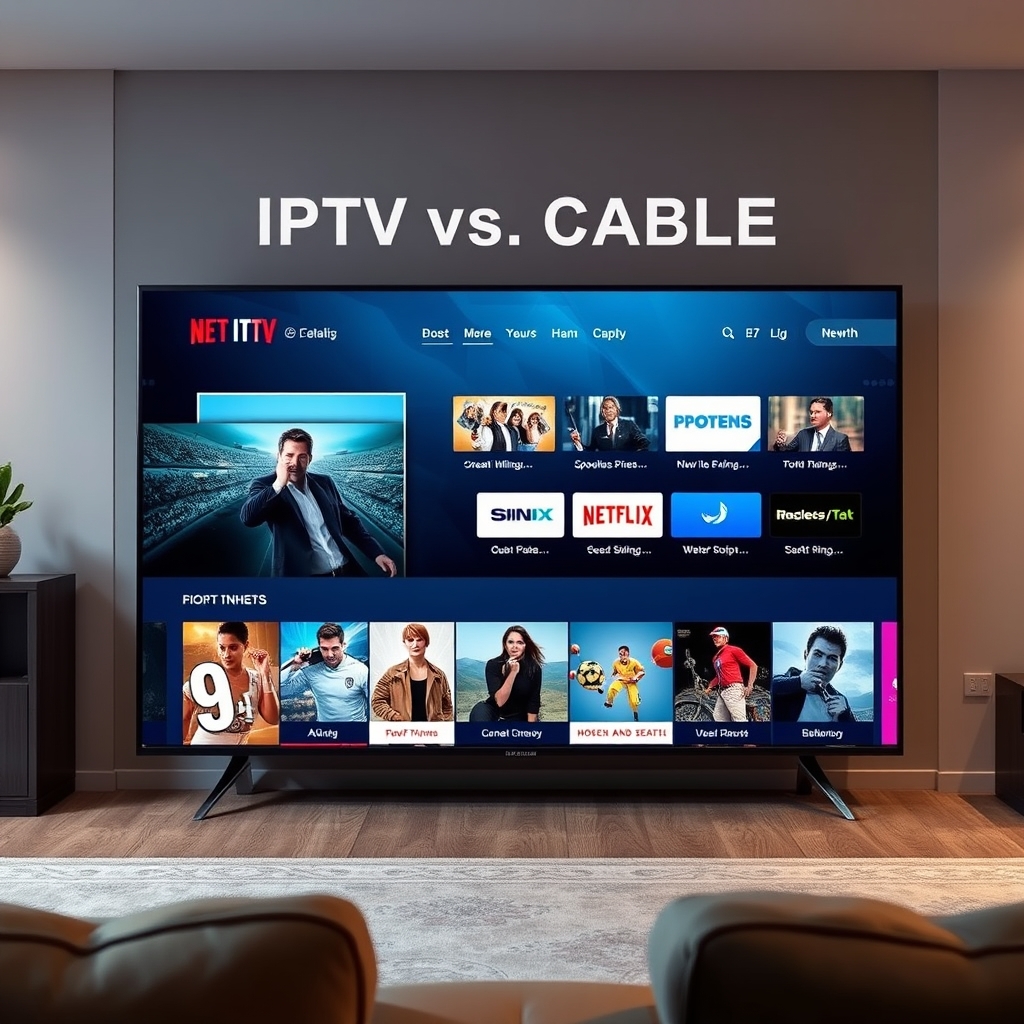
    • Device Compatibility: IPTV is compatible with numerous devices, including smartphones, tablets, and smart TVs. In contrast, cable TV is limited to televisions equipped with a cable box or receiver.
    • Internet Dependence: IPTV requires a stable internet connection to function optimally, which can be a drawback in areas with poor connectivity. Cable TV, however, operates independently of internet availability, providing a more reliable service for those in remote regions.
    • Cost: While IPTV services often offer competitive pricing and flexible subscription models, cable TV packages can be more expensive, particularly when bundled with additional services.

    To see a more detailed breakdown of these differences, you can refer to this comparison of IPTV vs traditional TV.

    Step-by-Step Setup Guide

    Setting up IPTV can seem daunting at first, especially if you’re accustomed to cable TV. However, with the right guidance, you can enjoy IPTV’s flexibility and convenience in no time. Here’s a detailed setup guide for the most popular devices:

    For Firestick:

    • Go to the home screen and navigate to the search icon.
    • Type “Downloader” and install the app.
    • Open Downloader and enter the URL of the IPTV service provider’s APK file.
    • Download and install the APK file.
    • After installation, open the IPTV app and log in with your credentials.

    For Android:

    • Visit the Google Play Store and search for an IPTV app (e.g., IPTV Smarters).
    • Download and install the app.
    • Open the app and enter the M3U playlist URL or Xtream Codes provided by your IPTV service.
    • Log in and start streaming your favorite content.

    For iOS:

    • Open the App Store and search for an IPTV app (e.g., GSE Smart IPTV).
    • Download and install the app.
    • Launch the app and input your IPTV provider’s credentials or M3U playlist URL.
    • Enjoy streaming on your iOS device.

    For Smart TV:

    • Access the TV’s app store (e.g., Samsung Smart Hub, LG Content Store).
    • Search for an IPTV app compatible with your TV model.
    • Download and install the app.
    • Enter the required login details or playlist URL provided by your IPTV provider.
    • Begin watching your favorite shows and channels.

    For more detailed instructions, you can also refer to this comprehensive IPTV setup guide.

    iptv vs cable

    Best Devices for IPTV vs Cable

    Choosing the right device is crucial for optimizing your IPTV experience. Here are some top recommendations:

    Nvidia Shield TV:

    The Nvidia Shield TV is one of the most powerful streaming devices available, offering 4K HDR streaming and an extensive range of apps. Its robust hardware and excellent performance make it ideal for IPTV services, ensuring smooth playback and minimal buffering.

    Amazon Fire TV Cube:

    The Fire TV Cube combines the capabilities of a streaming media player with Alexa voice control, offering a hands-free entertainment experience. Its compatibility with various IPTV apps and 4K streaming capability make it a popular choice among IPTV users.

    Apple TV 4K:

    Apple TV 4K provides a seamless streaming experience with its user-friendly interface and integration with the Apple ecosystem. Its support for HDR and Dolby Vision enhances picture quality, making it an excellent option for IPTV enthusiasts.

    Roku Streaming Stick+:

    The Roku Streaming Stick+ is an affordable choice for those seeking reliable IPTV performance. It supports 4K streaming and offers a wide range of apps, making it a versatile device for accessing IPTV services.

    Legal Landscape & Safety

    One of the primary concerns for IPTV users is the legality of the service. IPTV itself is not illegal; however, the legality depends on the content being streamed. It’s crucial to ensure that you’re using a legitimate IPTV service with the appropriate licenses to avoid legal issues. Unauthorized streams can result in penalties, so it’s important to do thorough research before subscribing to any IPTV service.

    To protect your privacy and ensure safe streaming, using a VPN (Virtual Private Network) is highly recommended. A VPN encrypts your internet connection, preventing third parties from tracking your online activities. This is particularly important for IPTV users, as it safeguards personal information and bypasses geo-restrictions on content.

    For additional insights into the legal aspects of IPTV, you can refer to authoritative sources like TechRadar and Wikipedia.

    Common Problems & Troubleshooting

    While IPTV offers numerous benefits, users may encounter common issues such as buffering, EPG (Electronic Program Guide) problems, and login errors. Here’s how to troubleshoot these problems:

    Buffering Issues:

    • Ensure your internet connection is stable and meets the minimum speed requirements for streaming.
    • Reduce the number of devices connected to your network to free up bandwidth.
    • Clear the cache of your IPTV app regularly to improve performance.

    EPG Problems:

    • Check if the IPTV service provider offers a reliable EPG source.
    • Update the EPG data manually within the IPTV app settings.
    • Ensure that the app’s timezone settings match your local time.

    Login Errors:

    • Verify that your login credentials are correct and up-to-date.
    • Restart the IPTV app and try logging in again.
    • Contact your IPTV service provider for assistance if the issue persists.

    Pricing & Cost Analysis

    When it comes to IPTV vs cable, pricing is a significant factor for many consumers. IPTV services often provide more competitive pricing, with flexible subscription models that cater to individual preferences. While cable TV packages can be costly, particularly when bundled with other services, IPTV offers a more affordable alternative with no hidden fees. However, it’s essential to consider the cost of additional equipment, such as streaming devices and VPN subscriptions, when evaluating the overall expense.

    To further explore the costs associated with IPTV, check out this in-depth cost analysis.

    Future Predictions for 2025/2026

    As we look towards the future, the IPTV vs cable debate is expected to intensify. With advancements in technology and increasing demand for on-demand content, IPTV is poised to become the dominant choice for media consumption. The rise of 5G networks will further enhance IPTV’s capabilities, offering faster and more reliable streaming experiences. Additionally, we can anticipate the integration of AI and machine learning to personalize content recommendations, revolutionizing the way users interact with IPTV services.

    Industry experts from CNET and Digital Trends predict continued growth in the IPTV market, driven by consumer demand for flexibility and convenience.

    User Reviews & Community Feedback

    Real user experiences and community feedback provide valuable insights into the IPTV vs cable debate. Many users appreciate IPTV’s diverse content selection and flexibility, highlighting its convenience and ease of use. However, some users express concerns over connectivity issues and legal risks associated with certain IPTV services. Overall, the majority of users find IPTV to be a cost-effective and versatile alternative to traditional cable, praising its ability to cater to individual viewing preferences.

    For more detailed user reviews, you can explore forums and communities dedicated to IPTV, where users share their experiences and recommendations.

    Conclusion & Final Verdict

    In conclusion, the choice between IPTV vs cable ultimately depends on your individual needs and preferences. IPTV offers a modern, flexible, and cost-effective alternative to traditional cable, with a vast array of content and device compatibility. However, it’s essential to consider factors such as internet connectivity and legal implications when making your decision. As we move into 2025, IPTV is expected to continue gaining popularity, offering innovative features and improved streaming experiences for users worldwide. We encourage you to explore both options and determine which service best suits your lifestyle and entertainment needs.

  • Top Challenges IPTV Companies Face in 2025: A Deep Industry Analysis

    Top Challenges IPTV Companies Face in 2025: A Deep Industry Analysis

    📌 Table of Contents

    1. Introduction
    2. The Evolution of IPTV and Why 2025 Is a Turning Point
    3. Rising Infrastructure Demands and Server Scalability
    4. Legal Pressure, Anti-Piracy Enforcement, and Shutdown Risks
    5. Regulatory Instability and Licensing Challenges
    6. Market Saturation and Increasing Competition
    7. Growing User Expectations and Customer Support Demands
    8. Payment Processing Barriers and High-Risk Restrictions
    9. Geo-Blocking, Content Rights, and Distribution Limitations
    10. Cybersecurity Threats and DDoS Attacks
    11. Video-on-Demand Expectations and Quality Requirements
    12. Balancing Pricing, Profitability, and Service Quality
    13. Competition From Official Streaming Platforms
    14. Why Many IPTV Providers Fail Quickly
    15. The Future of IPTV and Industry Adaptation
    16. Conclusion
    17. Frequently Asked Questions (FAQs)
    18. Summary

    Over the past five years, IPTV has transformed from a niche streaming option into one of the fastest-growing sectors in digital entertainment. Millions have left traditional cable behind in favor of internet-based TV that provides affordable access to live channels, sports, movies, and on-demand content. This shift has reshaped consumer expectations heading into 2025. However, behind IPTV’s rapid rise is a far more difficult reality: the industry faces increasingly complex and unpredictable challenges. IPTV providers must navigate significant technological, legal, financial, and operational obstacles—any of which can disrupt or even shut down a service overnight.

    This article explores these challenges in depth. Rather than offering a simple list of problems, it breaks down the systemic issues IPTV companies encounter, explains the underlying reasons behind each difficulty, and outlines how the industry is shifting as technology, user behavior, governments, and corporations respond to the rise of IPTV. The goal is to provide a comprehensive, realistic look at the IPTV landscape in 2025, revealing why some companies succeed while others struggle just to stay online.


    The Evolution of IPTV and Why 2025 Is a Turning Point

    Top Challenges IPTV Companies Face in 2025

    To understand the Top Challenges IPTV Companies Face in 2025, it’s important to step back and examine how quickly the industry has evolved. IPTV began as a fringe alternative used mostly by tech-savvy viewers who were comfortable sideloading apps and configuring playlists. Over time, however, IPTV services improved dramatically. Interfaces became more user-friendly, apps became available on mainstream platforms, and content libraries expanded to include nearly every region’s channels.

    By 2023–2024, a global shift occurred. People realized they could access thousands of live channels and massive video-on-demand libraries for a tiny fraction of the cost of cable or satellite. As economic pressures increased worldwide, IPTV became not just a luxury but an affordable replacement for overpriced subscription bundles.

    The mainstream adoption of IPTV is precisely what makes 2025 a pivotal year. The larger the industry grows, the more attention it receives—from governments, anti-piracy groups, internet service providers, payment processors, and even hackers. Demand is escalating, expectations are rising, but the challenges are multiplying even faster.


    Massive Infrastructure and Bandwidth Demands

    One of the most significant challenges IPTV companies face today is the extraordinary pressure on their infrastructure. Streaming live TV to thousands—or in some cases, hundreds of thousands—of users simultaneously is not just demanding, it is expensive. Every channel uses bandwidth. Every viewer adds load to the server. When major sporting events occur, server demand can spike by more than 300%.

    To deliver the type of quality users expect in 2025—instant channel switching, HD and 4K streams, stable uptime, minimal buffering—IPTV companies must run servers powerful enough to sustain continuous traffic, 24/7. This infrastructure often includes clusters of high-performance servers, load balancers to distribute traffic evenly, multiple backup systems, and content delivery networks to reduce latency for global audiences.

    The challenge is that server costs are rising. Bandwidth is becoming more expensive. Hosting providers are increasingly cautious about IPTV-related traffic. Even legitimate IPTV companies face this problem because streaming requires enormous amounts of data transfer. Companies that fail to scale effectively experience buffering, crashes, channel freezing, or outages during peak hours—issues that quickly cause users to migrate to competitors.

    Infrastructure investment is one of the most expensive and technically difficult parts of running an IPTV service, and many companies underestimate how much capacity they need until they fail under pressure.


    Legal Pressure, Enforcement Actions, and Shutdowns

    Perhaps the most widely discussed challenge IPTV companies face is the constant legal pressure from anti-piracy organizations, broadcasters, sports leagues, and media conglomerates. In 2025, enforcement efforts have intensified significantly. Global organizations now share data, track streaming patterns, and collaborate with ISPs to shut down IPTV servers more quickly than ever.

    For IPTV companies that operate legally, this creates frustration, as enforcement actions often cast a wide net and disrupt services that follow the rules. For companies that operate without official licenses, the risk is far greater: domain seizures, server confiscations, arrests in some jurisdictions, and aggressive legal penalties.

    The problem is that IPTV’s regulatory environment is not standardized. Different countries interpret streaming laws differently. Some regions consider IPTV legal if users stream content they already legally have access to; others classify unauthorized streaming as a crime even for viewers. This global patchwork forces IPTV companies to constantly adapt their strategies, hosting locations, and compliance policies just to stay in business.

    2025 marks a period of rapid regulatory tightening. Companies that fail to stay ahead of this legal pressure face shutdowns without warning, often leaving subscribers stranded.


    Unstable Global Regulations and Licensing Uncertainty

    Connected to legal pressure is the broader issue of regulatory instability. Many governments are only now beginning to understand IPTV’s impact, and legislative changes often occur without clear communication or transition periods. IPTV providers operating across borders face a chaotic landscape where rules can shift abruptly.

    Some countries now require IPTV companies to disclose server locations, register as digital broadcasters, or obtain licenses for specific categories of content. Others demand that IPTV services comply with consumer protection laws, refund policies, or data privacy standards.

    Because IPTV providers operate internationally, they must comply with multiple regulatory systems simultaneously. Complying with one region may violate another’s regulations, creating a legal paradox. This regulatory turbulence is one of the Top Challenges IPTV Companies Face in 2025 and contributes heavily to the instability of smaller or less sophisticated companies.


    Market Saturation and Intense Competition

    As demand for IPTV skyrocketed, the number of providers grew exponentially. While the industry once had a handful of well-established names, today there are thousands of IPTV services competing for the same pool of customers. Some companies are professionally run, operating with large teams, developers, and global infrastructures. Others consist of a single administrator renting a few servers.

    This overwhelming competition leads to price wars, where new providers undercut established companies to attract customers. While lower prices benefit viewers in the short term, they make it harder for companies to invest in infrastructure and innovation. As a result, many providers fail to deliver sustainable or long-lasting service.

    Because IPTV subscribers can switch providers instantly—there are no contracts or hardware dependencies—the competition becomes even fiercer. Only services with strong branding, transparent communication, responsive support, and consistently high-quality streams survive. Smaller or poorly managed IPTV services vanish rapidly under competitive pressure.


    Customer Support Expectations Are Higher Than Ever

    The typical IPTV buyer in 2025 is no longer a tech expert. As IPTV became mainstream, everyday consumers entered the market—people accustomed to Netflix-like support, instant replies, and professional service. Most IPTV companies, however, are not equipped to offer large-scale customer support.

    Running a 24/7 support team is costly. Yet users expect immediate activation, help with devices, troubleshooting guidance, and quick responses to channel issues. Support delays lead to complaints, negative reviews, and rapid subscriber churn. Companies without organized support systems cannot maintain trust, especially in a saturated market where customers can switch services in minutes.

    This gap between consumer expectations and support capacity is a challenge many IPTV companies struggle to solve.


    Payment Processing Roadblocks and High-Risk Classification

    Another major barrier in IPTV’s operational ecosystem is the ongoing difficulty with payment processing. Many major financial services—Stripe, PayPal, Square, and even some banks—classify IPTV as a “high-risk” industry due to piracy concerns and frequent chargebacks. As a result, IPTV companies often find their accounts frozen, funds held, or payment channels abruptly terminated.

    This forces providers to rely on alternatives such as cryptocurrency, offshore payment processors, cash transfers, or specialized high-risk gateways with much higher fees. Customers may be hesitant to sign up through unfamiliar payment systems, reducing conversions and revenue stability.

    Chargebacks make the situation worse. IPTV is digital and non-refundable by nature, but banks often grant chargebacks instantly to customers, hurting providers financially and increasing the likelihood of payment processor bans.

    Maintaining stable payment infrastructure is one of the most frustrating Top Challenges IPTV Companies Face in 2025 and directly affects the survival of newer services.


    The Arms Race Against Geo-Blocking and Content Restrictions

    Content rights are geographically restricted. TV networks, sports leagues, and film distributors tightly control where their content can be legally broadcast. To enforce these restrictions, they use advanced geo-blocking technologies that detect and block unauthorized streams.

    IPTV companies must use proxy servers, dynamic routing, content mirroring, and other technical methods to bypass these blocks. This requires continuous investment and engineering work. The moment a major broadcaster upgrades its geo-protection, IPTV companies must update their infrastructure accordingly.

    In 2025, AI-driven geo-blocking has become more sophisticated, identifying suspicious patterns faster and reducing the lifespan of unlicensed streams. Companies must constantly innovate or risk having large portions of their channel lineup become inaccessible.


    Cybersecurity Threats at an All-Time High

    Cyberattacks are more frequent now than ever before. IPTV companies—especially large ones—are prime targets for hackers, DDoS attackers, credential thieves, and even competitors launching malicious assaults.

    A DDoS attack can cripple an IPTV service for hours or even days. Hackers may attempt to access payment data, customer databases, or admin panels. Competitors may steal channel lists, server configurations, or even entire panel systems.

    To defend against these threats, IPTV companies must use comprehensive cybersecurity measures:
    firewalls, server hardening, encrypted protocols, bot protection, IP rotation systems, and continuous monitoring.

    Unfortunately, many IPTVs cut corners here. This lack of security exposes them to inevitable attacks that can permanently damage their reputation.


    Rising Expectations for VOD Libraries and User Experience

    In 2025, streaming standards are incredibly high. Consumers compare IPTV VOD sections to Netflix, Disney+, and Amazon Prime—even though IPTV companies do not have the same budgets or production capabilities.

    Users expect:
    — 4K VOD content
    — Subtitles in multiple languages
    — Updated categories
    — Newly released films
    — Smooth scrubbing
    — Professional thumbnails

    Maintaining a high-quality VOD library requires consistent updates, heavy storage capacity, organized scraping, and constant quality checks. Many IPTV companies struggle to keep their VOD collections relevant and properly categorized, leading to user dissatisfaction.


    Balancing Price, Quality, and Profitability

    With rising infrastructure costs, payment difficulties, legal pressure, and user expectations, IPTV companies must constantly re-evaluate their pricing structure. Users expect premium quality but at extremely low subscription fees. If companies raise prices, users leave; if they keep prices too low, they operate at a loss.

    This creates a delicate balancing act:
    deliver premium service at budget prices while maintaining profitability in an unstable, high-risk market.

    Only companies with excellent resource management, smart automation, efficient server designs, and long-term planning can sustain this balance.


    Competition From Legal Streaming Platforms

    Streaming giants like Amazon, Apple, Netflix, and Disney+ continue expanding into live sports, global channels, and bundled packages. Some now offer sports add-ons, regional TV channels, or premium events. Their stable infrastructure and licensing agreements give them an undeniable advantage.

    As these platforms grow, IPTV must differentiate itself through content variety, worldwide coverage, affordability, and user freedom. Competing with billion-dollar corporations is an enormous challenge, and IPTV companies must innovate continuously to stay relevant.


    Why Many IPTV Services Fail Quickly

    A common question users ask is why so many IPTV companies disappear suddenly. The truth is that all the challenges outlined above combine into a highly unstable environment where only the strongest, most organized, and technologically advanced IPTV companies survive.

    Most new providers underestimate:
    — The cost
    — The complexity
    — The legal risk
    — The infrastructure demands
    — The need for constant updates
    — The level of competition
    — The requirement for strong customer support

    As a result, they enter the market, struggle to scale, face infrastructure failures or legal pressure, and vanish overnight.


    The Future of IPTV: Adaptation or Decline?

    Despite these challenges, IPTV will not disappear. The demand for flexible, affordable entertainment continues to grow. What will change is the type of IPTV companies that survive. The market is shifting from small, loosely organized providers to larger, more professionalized platforms with real teams, legal structures, advanced engineering, and automated systems.

    Companies that embrace technology—AI monitoring, adaptive bitrates, optimized CDNs, automated ticket systems, dynamic routing—are already emerging as leaders. In contrast, companies relying on outdated methods, single admin operations, or weak infrastructure are fading away.

    The IPTV industry is entering a new era. Success in 2025 and beyond will require companies to operate with the efficiency and professionalism of legitimate streaming businesses.


    Final Thoughts

    The Top Challenges IPTV Companies Face in 2025 reveal that running an IPTV service is far more complex than most people imagine. From server scalability to legal pressure, payment roadblocks to customer support demands, IPTV companies must fight on multiple fronts daily. But despite these difficulties, the industry continues to thrive because users want alternatives to overpriced cable subscriptions and region-restricted content.

    The companies that survive will be those that innovate relentlessly, invest in strong infrastructure, operate with transparency, deliver professional support, and adapt quickly to a rapidly changing digital environment. The IPTV world is evolving, and only the most resilient providers will shape its future.

    FAQs

    FAQ 1: Is IPTV becoming more regulated in 2025?

    Yes. Many countries have begun introducing stricter digital broadcasting and copyright regulations, which directly affect IPTV providers. Organizations like the European Commission and the UK Intellectual Property Office have released updated guidelines that target unauthorized streaming. Providers now must navigate evolving legal frameworks to avoid shutdowns and penalties.


    FAQ 2: Why are IPTV services facing more cybersecurity threats?

    The rise of IPTV has attracted more cyberattacks, including DDoS attacks, server breaches, and data scraping. Cybersecurity experts at Kaspersky and Cloudflare explain that streaming services are frequently targeted due to high traffic, valuable user data, and hostile competition. IPTV companies must invest heavily in firewalls, encrypted traffic routing, and DDoS mitigation systems.


    FAQ 3: How can IPTV companies improve their streaming stability?

    According to performance studies by Akamai Technologies, stability requires strong CDNs, optimized load balancing, and geo-distributed servers. Without proper infrastructure scaling, IPTV services face buffering, lag, and outages—especially during major sports events. Continuous monitoring and adaptive bitrate streaming are considered essential best practices for 2025.

    FAQ 4: What’s the best IPTV player for improving stream quality in 2025?

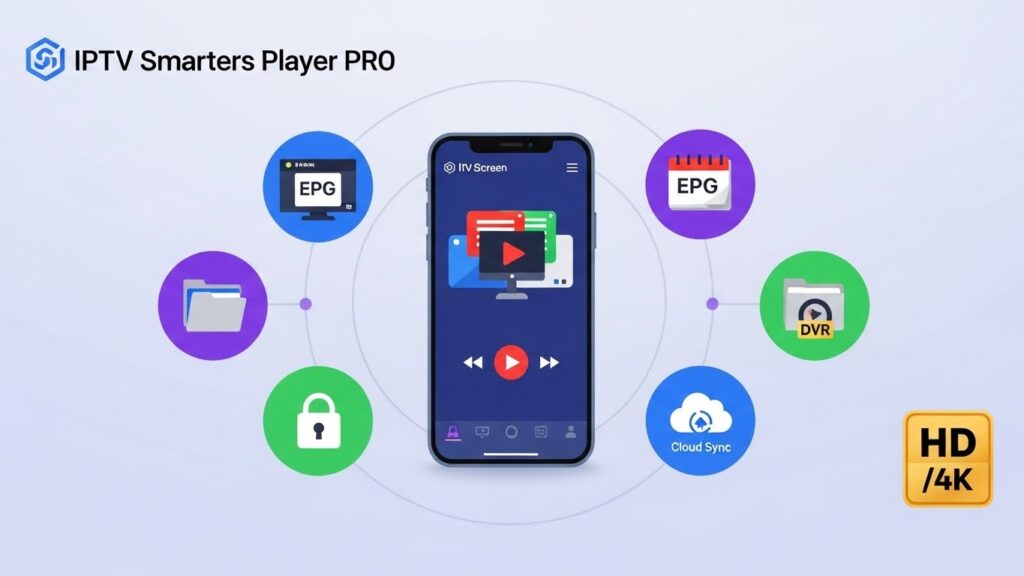
    Many IPTV users enhance their viewing experience with advanced players. A highly recommended option is IPTV Smarters Player Pro, which supports playlists, multi-screen features, and EPG integration. You can read a detailed setup guide on IPTVPut or follow the full installation tutorial here:
    http://blog.iptvput.com/iptv-smarters-player-pro/
    These resources help new and advanced users optimize settings for smoother streaming.


    FAQ 5: Where can beginners learn how to choose a reliable IPTV provider?

    If you’re new to IPTV and unsure how to evaluate providers, factors like server stability, VOD quality, support responsiveness, and payment transparency matter most. For beginner-friendly advice, visit the official IPTVPut homepage and explore their step-by-step guides, or review this detailed tutorial on setting up IPTV Smarters Player Pro:
    http://blog.iptvput.com/iptv-smarters-player-pro/
    Both links offer trusted, easy-to-follow IPTV resources.

    Summary:

    1. The Top Challenges IPTV Companies Face in 2025 highlight how rapidly the industry is shifting and why service providers must evolve to survive.
    2. When analyzing the Top Challenges IPTV Companies Face in 2025, it becomes clear that infrastructure and regulation are the most demanding hurdles.
    3. One of the Top Challenges IPTV Companies Face in 2025 is maintaining stable, high-performance servers during peak viewing hours.
    4. Security continues to be among the Top Challenges IPTV Companies Face in 2025, especially with increasing DDoS attacks.
    5. Legal uncertainty remains one of the Top Challenges IPTV Companies Face in 2025 as governments tighten regulations around streaming technology.
    6. Another of the Top Challenges IPTV Companies Face in 2025 is adapting to changing user expectations, especially regarding 4K VOD.
    7. Competition is also listed among the Top Challenges IPTV Companies Face in 2025, with new services appearing every month.
    8. For many providers, the Top Challenges IPTV Companies Face in 2025 revolve around finding reliable payment processors.
    9. The Top Challenges IPTV Companies Face in 2025 demonstrate the need for companies to modernize their technology stacks.
    10. Scalability is another of the Top Challenges IPTV Companies Face in 2025, especially during global sports events.
    11. As we look deeper into the Top Challenges IPTV Companies Face in 2025, customer support becomes an essential factor.
    12. The Top Challenges IPTV Companies Face in 2025 prove that the industry is maturing and becoming more competitive.
    13. Cybersecurity continues to dominate the Top Challenges IPTV Companies Face in 2025, requiring constant monitoring and upgrades.
    14. Understanding the Top Challenges IPTV Companies Face in 2025 helps new providers prepare better strategies.
    15. The Top Challenges IPTV Companies Face in 2025 are reshaping how IPTV platforms build, stream, and maintain their services.
  • IPTV vs Kodi: The Ultimate Guide to Making the Best Streaming Choice in 2025

    IPTV vs Kodi: The Ultimate Guide to Making the Best Streaming Choice in 2025

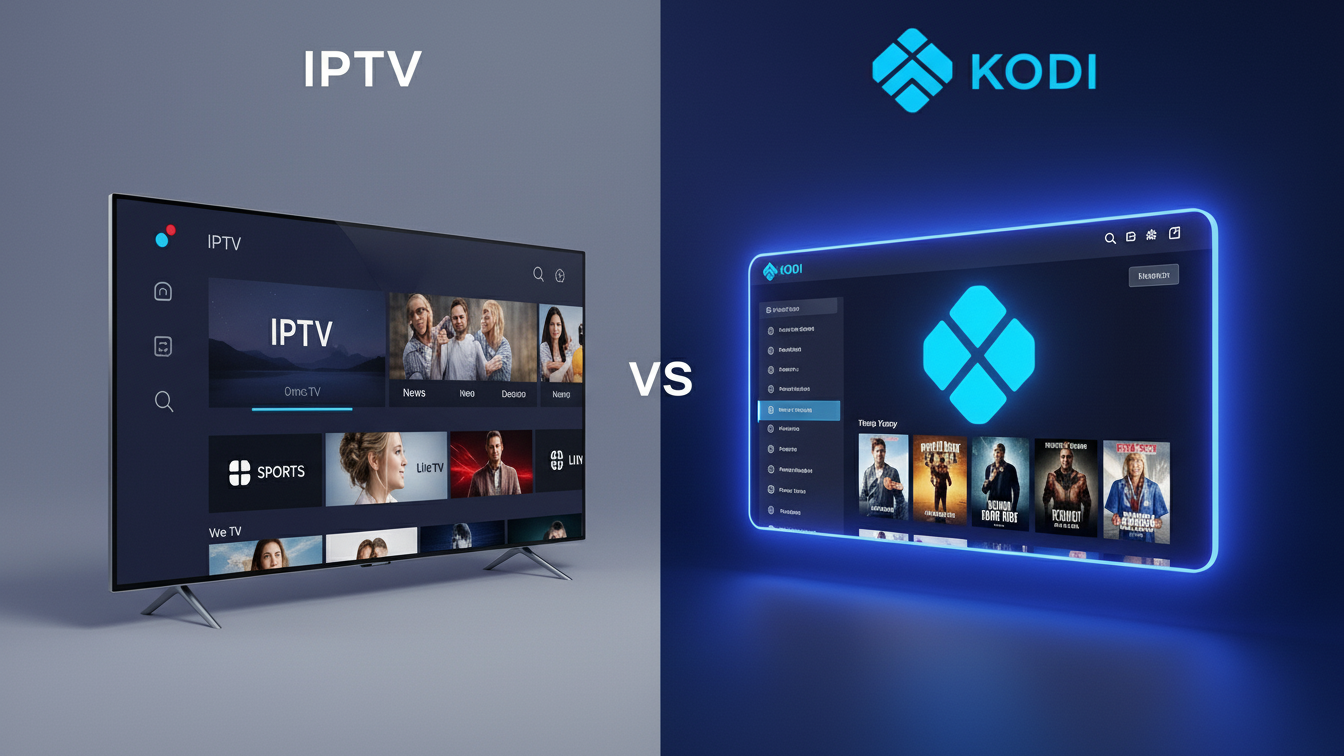
    The streaming landscape has evolved dramatically over the past decade. What started as a revolution driven by platforms like Netflix and Amazon Prime has expanded into a massive ecosystem of tools, apps, and services that allow users to watch live television, movies, sports, and on-demand content from anywhere in the world. Among the many technologies that have emerged, IPTV and Kodi stand out as two of the most widely used—but also the most misunderstood—solutions. While both enable streaming, they offer fundamentally different experiences, capabilities, and use cases. Understanding these differences is essential for anyone trying to decide which one is the better fit in 2025.

    This guide provides a clear, detailed, and fully professional comparison of IPTV and Kodi. Instead of superficial points or generic descriptions, the analysis below breaks down how each technology works, how they perform under real conditions, the advantages they bring, and the limitations many users don’t realize until they start using them. Whether you are a beginner entering the world of online streaming or a long-time user considering alternatives, this article offers the clarity needed to make the right choice.


    Table of Contents

    1. Introduction
    2. What IPTV Actually Is
    3. What Kodi Actually Is
    4. How IPTV Works: Technical but Simple Explanation
    5. How Kodi Works: Under the Hood
    6. IPTV vs Kodi: The Real Differences Explained
    7. Live TV Performance: Why One Clearly Wins
    8. Movies and Series: A Completely Different Experience
    9. Sports Streaming Reliability
    10. International Channel Availability
    11. Streaming Quality and Stability
    12. User Experience and Ease of Use
    13. Setup Complexity and Maintenance
    14. Device Compatibility in 2025
    15. Security and Privacy Considerations
    16. Legal Considerations
    17. Costs and Long-Term Value
    18. When IPTV Makes More Sense
    19. When Kodi Makes More Sense
    20. Using IPTV and Kodi Together
    21. Final Verdict
    22. SEO-Optimized FAQs

    1. Introduction

    Online streaming has become the default way people consume entertainment. Cable and satellite subscriptions are declining worldwide, while consumers increasingly seek flexible, on-demand, high-quality alternatives. In this environment, IPTV and Kodi have gained massive popularity. But comparing them is not as simple as asking, “Which one is better?” They are two very different solutions designed for different types of users.

    IPTV is typically chosen by people who want a modern version of cable—thousands of live TV channels, organized categories, stable playback, and dedicated apps. Kodi, on the other hand, is preferred by users who want deep control, customization, and an extensive library of on-demand content through community-developed addons. Each platform has strengths and weaknesses that become clear only when viewed through the lens of real-world usage.

    This article analyzes both technologies from every angle to help readers determine which one aligns with their streaming habits in 2025.


    2. What IPTV Actually Is

    IPTV—short for Internet Protocol Television—is a method of delivering live TV channels, movies, and on-demand programs over an internet connection rather than through traditional broadcast or satellite systems. In practice, this means that instead of tuning into channels the old-fashioned way, you receive the stream directly from servers through apps like IPTV Smarters, TiviMate, iMPlayer, Smart IPTV, and dozens of similar interfaces.

    What makes IPTV appealing is its structure. Channels are delivered in an organized, cable-like format, complete with categories such as sports, entertainment, news, movies, kids, and international content. Many IPTV services now include tens of thousands of channels and VOD files, making them far richer in content compared to traditional cable.

    Unlike platforms such as Netflix, IPTV providers typically do not produce their own content. Instead, they aggregate channels and distribute them to subscribers. The quality and stability depend heavily on the provider’s servers, bandwidth, and streaming architecture. The result is a modern, flexible cable-like experience available on almost any device.


    3. What Kodi Actually Is

    Kodi is an open-source media center—not a streaming service. It does not come with channels, movies, or shows built into it. Instead, it provides a powerful framework that allows users to install third-party addons, repositories, and builds that access online streaming links from various sources.

    At its core, Kodi is a highly sophisticated media hub designed to organize, play, and manage digital content. It excels at library management, customization, theming, and integration with external services like Real-Debrid, Trakt, and premium scrapers. When addons are installed, Kodi becomes a gateway to enormous libraries of movies, series, documentaries, and niche content, often aggregated from multiple streaming sources.

    The major difference between Kodi and IPTV is control. Kodi gives users full control and customization. IPTV gives users simplicity. Kodi requires technical knowledge and patience, while IPTV is plug-and-play.


    4. How IPTV Works: Technical but Simple Explanation

    To understand IPTV clearly, it helps to simplify the technical layer. IPTV providers maintain powerful servers that encode live television feeds and deliver them to users in formats such as M3U playlists, Xtream Codes, or MAG portal addresses. These formats act as a gateway into the provider’s channel database.

    When a user logs into an IPTV app with their subscription credentials, the app fetches the channel list from the server. Clicking on a channel sends a request to the IPTV server, which then streams the video feed directly to the device.

    The quality depends on:
    • The provider’s server performance
    • The user’s internet connection
    • The app being used
    • Server load during peak times

    Modern IPTV setups have become extremely optimized, offering 1080p and 4K streams with minimal buffering. This makes IPTV ideal for users who want a stable, predictable live TV experience.


    5. How Kodi Works: Under the Hood

    IPTV vs Kodi

    Kodi operates in a radically different way. Kodi itself is just a media interface. The real power comes from addons, which act as scrapers. A scraper is a tool that searches the internet for available streaming links and organizes them into a playable format inside Kodi.

    When a user selects a movie in Kodi, the addon searches dozens of online sources and returns multiple streaming options. The user chooses one, and Kodi begins playback. Because Kodi relies on publicly available sources, links vary in quality, longevity, and reliability.

    This means Kodi often offers more variety, more content, and deeper customizability—but it also means links can break, addons can go offline, and users may have to troubleshoot issues more often. Kodi rewards tech-savvy users but can confuse beginners.


    6. IPTV vs Kodi: The Real Differences Explained

    Although both technologies allow streaming, they serve two fundamentally different purposes. IPTV is designed for live TV reproduction, mimicking the experience of cable with channels that open instantly and remain stable. Kodi is designed for on-demand entertainment, where the user chooses what to watch and the addon fetches it from the internet.

    The way these platforms deliver content differs too. IPTV delivers streams directly from a provider’s servers. Kodi pulls streams from multiple public sources. IPTV is structured, organized, and consistent. Kodi is flexible, customizable, and unpredictable.

    Understanding this distinction removes a lot of confusion. IPTV is a service. Kodi is a platform.


    7. Live TV Performance: Why One Clearly Wins

    When comparing IPTV and Kodi for live TV, IPTV wins decisively. Thousands of users have tested both, and the consensus is clear: IPTV provides a smoother, more stable, and more reliable live TV experience.

    Live TV requires a consistent, uninterrupted stream. IPTV providers use dedicated servers with optimized bandwidth for this exact purpose. The streams open quickly, switch instantly between channels, and remain accessible throughout the day.

    Kodi does offer live TV through certain addons, but reliability is inconsistent. Links change frequently, servers disappear, and streams can buffer or shut down unexpectedly. Kodi’s live TV addons cannot compete with IPTV servers engineered specifically for real-time playback.

    For sports events, IPTV is vastly superior.


    8. Movies and Series: A Completely Different Experience

    When it comes to on-demand movies and TV shows, the situation reverses. Kodi is often far superior due to the nature of its addons, which scrape links from hundreds of online sources.

    A single Kodi addon can provide dozens of links for the same movie in multiple resolutions and formats. Users can choose 1080p, 4K, HDR, or even streams with subtitles embedded.

    IPTV providers often include VOD libraries, but the quality and size of these libraries vary significantly. Some providers have extensive, well-updated VOD sections; others have minimal or outdated selections.

    Kodi’s variety, flexibility, and community support make it a better choice for users who prioritize movies and binge-watching.


    9. Sports Streaming Reliability

    Sports streaming is one of the most demanding tasks for any streaming platform. Viewers expect live, uninterrupted coverage, especially for premium events such as football leagues, UFC, boxing, NBA, and Formula 1.

    IPTV has become the preferred choice for sports fans because most IPTV services dedicate entire servers to sports channels. These streams are optimized for real-time playback and are less likely to buffer during peak match times.

    Kodi sports addons do exist, and some are excellent, but they rely on scrapers and external hosting sources that may be unstable. Streams can go offline, quality can fluctuate, and finding a working link during a big match can be frustrating.

    For sports, IPTV is the superior solution.


    10. International Channel Availability

    One of the biggest advantages of IPTV is the sheer volume of international channels it offers. IPTV providers typically include channel lists from dozens of countries, covering nearly every region. This makes IPTV the go-to choice for expatriates, multilingual households, or users who want access to foreign entertainment.

    Kodi does not focus on international channels. While some addons offer limited international options, they are nowhere near as comprehensive or consistent as the channel lists provided by IPTV.

    Users who want global access almost always choose IPTV.


    11. Streaming Quality and Stability

    Quality and stability are essential in streaming. IPTV, being server-based, offers consistent quality. Most IPTV services provide HD and Full HD streams, with many now offering 4K channels, especially for sports and premium networks.

    Kodi’s quality depends heavily on the sources scraped. Some links may be excellent, while others may buffer or drop. Real-Debrid and other premium link services significantly improve Kodi’s quality, but they add another layer of setup.

    For the smoothest experience, IPTV performs better.


    12. User Experience and Ease of Use

    The user experience differs significantly between IPTV and Kodi. IPTV apps are designed for simplicity. Once the user logs in, the channels appear in organized categories. Navigation is intuitive, and even beginners can use IPTV comfortably.

    Kodi has a steeper learning curve. The interface is more complex, and installing addons requires following steps that may be confusing for non-technical users. However, once fully configured, Kodi offers a rich, customizable, and visually immersive experience unmatched by IPTV apps.

    In short: IPTV is easier. Kodi is more customizable.


    13. Setup Complexity and Maintenance

    IPTV setup takes minutes. Users simply install an app, enter login information, and begin watching. No additional configuration is required.

    Kodi setup can take significantly longer. Users need to install repositories, addons, scrapers, services like Real-Debrid, and potentially custom builds. Addons require regular updates, and links may stop working, forcing users to install new or alternative addons.

    For users who do not want maintenance, IPTV is the better choice.


    14. Device Compatibility in 2025

    Both IPTV and Kodi work on most major platforms, including Android TV, Firestick, smartphones, Windows, macOS, and more.

    However, Kodi is heavier and requires more processing power. On older or weaker devices, Kodi may lag or crash, especially when using large builds. IPTV apps are lightweight and optimized for performance, making them a better fit for low-end hardware.


    15. Security and Privacy Considerations

    Both IPTV and Kodi come with security considerations. IPTV users rely on providers whose servers they do not control. Kodi users rely on addons that fetch content from unknown sources. In both cases, privacy can be a concern.

    In both systems, a VPN is highly recommended to protect personal data, hide IP addresses, and avoid ISP throttling.


    16. Legal Considerations

    Both IPTV and Kodi exist in legal grey zones depending on the country and the source of the content being streamed. IPTV itself is legal, but many providers distribute content without official rights. Kodi is also legal, but many third-party addons access copyrighted content.

    Users should always understand the laws in their region before using IPTV or Kodi.


    17. Costs and Long-Term Value

    IPTV requires a paid subscription, usually monthly or yearly. Prices vary, but most IPTV services are affordable compared to cable.

    Kodi is free to use, but users may choose to pay for Real-Debrid or similar services for better streaming links. Even then, costs remain low.

    The best option in terms of value depends on user priorities: IPTV costs more but offers stable live TV; Kodi is free but requires more effort.


    18. When IPTV Makes More Sense

    IPTV is the better choice for users who want a cable-like experience with instant access to live TV, sports channels, and international content, without the need for complicated setups. It provides structure, stability, and ease of use.


    19. When Kodi Makes More Sense

    Kodi is ideal for users who want access to large libraries of movies and TV shows, love customization, and don’t mind spending time configuring addons. It is unmatched in on-demand content variety.


    20. Using IPTV and Kodi Together

    Many advanced users combine both solutions. IPTV handles the live elements—news, sports, international channels—while Kodi handles movies, binge-watching, and specialty content. Together, they create a complete streaming ecosystem.


    21. Final Verdict

    IPTV and Kodi both dominate the streaming world but for completely different reasons. IPTV is reliable, structured, and ideal for live TV and sports. Kodi is flexible, customizable, and exceptional for on-demand entertainment. Instead of comparing them as competitors, it is more accurate to view them as complementary tools. Users who understand their strengths can create a powerful and complete streaming solution in 2025.

    FAQs

    Is IPTV legal to use in my country?

    The legality of IPTV depends entirely on whether the service you subscribe to has the proper broadcasting rights to distribute its channels. In some countries, IPTV services must obtain licenses similar to cable companies, while in others, regulation is still developing. To better understand IPTV legality worldwide, you can review resources from the European Union Intellectual Property Office or the U.S. Copyright Office. If you prefer to explore safe and reputable IPTV options that respect proper rights-holding practices, you can also visit IPTVPut at: IPTVPUT — your internal link.

    Is Kodi legal if I install third-party addons?

    Kodi itself is a completely legal open-source media center. However, third-party addons may access content that does not have redistribution permissions. According to the Kodi Foundation’s official statement, Kodi does not endorse or support piracy or unofficial streaming sources. Always use addons from verified repositories and understand the laws in your country regarding streaming copyrighted material.

    Which platform is safer: IPTV or Kodi?

    Both IPTV and Kodi come with security considerations. IPTV streams your content directly through the provider’s servers, meaning your IP address is visible unless you use a VPN. Kodi, on the other hand, relies heavily on third-party links sourced from the internet, which can expose users to malware or unsafe websites. Cybersecurity experts, including those from Kaspersky, recommend using a trusted VPN on both platforms to protect your identity and prevent ISP throttling or data exposure.

  • The Ultimate Guide to IPTV vs VOD in 2025

    The Ultimate Guide to IPTV vs VOD in 2025

    IPTV vs VOD is the most critical comparison for modern entertainment enthusiasts looking to cut the cord this year. As traditional cable continues to decline, understanding the distinct advantages of IPTV vs VOD has become essential for choosing the right streaming setup for your home. Whether you prioritize live sports events or binge-watching complete TV series, the debate of IPTV vs VOD ultimately comes down to how you prefer to consume your digital content.

    Understanding the Core Technologies: How They Work

    To make an informed decision, we must first dismantle the technical infrastructure that separates these two giants. Internet Protocol Television (IPTV) and Video on Demand (VOD) utilize the internet to deliver content, but their delivery mechanisms are fundamentally different. This difference affects everything from bandwidth usage to playback control.

    IPTV streams content continuously in real-time. It functions similarly to traditional cable but uses IP packets to transmit data. When you watch a live channel, you are joining a multicast stream that is happening at that exact moment. This is why IPTV is the superior choice for live events, news broadcasts, and sports tournaments. The data is pushed to you as it happens, requiring a stable and consistent internet connection to prevent interruptions.

    In contrast, VOD is a unicast technology where the content is stored on a server and accessed at your convenience. When you select a movie on Netflix or a stored series on a private server, you are initiating a discrete connection that downloads or buffers the file specifically for you. This architecture allows for greater control, such as pausing, rewinding, and fast-forwarding without the constraints of a live broadcast schedule. In the context of IPTV vs VOD, VOD is far more forgiving of bandwidth fluctuations because it can buffer content ahead of time.

    For users new to these concepts, our comprehensive guide on how IPTV works provides a deeper dive into the packet switching technology that makes live streaming possible over the internet.

    The Content Battle: Live Broadcasting vs. Static Libraries

    IPTV vs VOD

    The most significant differentiator in the IPTV vs VOD discussion is the type of content each format prioritizes. IPTV is designed to replace the “appointment television” experience. It excels at delivering linear content—programming that adheres to a schedule. If you need to watch the Super Bowl, the World Cup, or the 6 PM news as it airs, IPTV is your only viable option among the two. It replicates the cable experience, providing Electronic Program Guides (EPG) that show you what is playing on hundreds of channels simultaneously.

    VOD, on the other hand, is the king of archival content. It offers a static library of movies, documentaries, and TV shows that have already aired. The primary advantage here is depth. While an IPTV channel might show a marathon of “The Office” on a Tuesday afternoon, a VOD service allows you to start from Season 1, Episode 1, and watch in order whenever you please. The library doesn’t change based on the time of day; it waits for you.

    However, the lines are blurring. Many premium services now offer hybrid models. When you check our premium pricing packages, you will often find subscriptions that bundle thousands of live IPTV channels alongside a massive VOD library containing the latest movies and series. This convergence suggests that the winner of IPTV vs VOD might actually be a service that combines both.

    Cost Effectiveness Comparison in 2025

    Economics plays a massive role in the cord-cutting revolution. When analyzing IPTV vs VOD strictly from a financial perspective, the pricing models can vary drastically. VOD services typically operate on a subscription model per platform. To get a comprehensive library, a user in 2025 often needs to subscribe to multiple giants like Netflix, Disney+, Hulu, and Amazon Prime. This fragmentation has led to “subscription fatigue,” where the total cost of VOD services can easily exceed $80 or $100 per month.

    IPTV services generally offer a more consolidated pricing structure. A single IPTV subscription often provides access to channels from around the globe—including sports packages, movie channels, and international news—for a flat monthly fee that is significantly lower than the combined cost of multiple VOD apps. This is often referred to as the “bundling advantage”.

    Furthermore, VOD often involves transactional costs for premium releases (TVOD), where you pay per movie. IPTV rarely charges per view; instead, you pay for the pipeline of channels. For budget-conscious viewers, the IPTV vs VOD calculation often tilts in favor of IPTV due to the sheer volume of content provided for a single price point.

    Comparing IPTV vs VOD User Interfaces and Experience

    The user experience (UX) is where the difference between these two technologies becomes tangible. If you are migrating from a traditional cable box, IPTV will feel very familiar. The interface is typically centered around an EPG (Electronic Program Guide), which displays a grid of channels and time slots. You surf channels by flipping up and down, a mechanic ingrained in TV culture for decades.

    VOD interfaces are radically different. They are tile-based and algorithm-driven. When you log into a VOD platform, you are greeted with recommendations, “continue watching” lists, and curated categories. The experience is about searching and browsing rather than “tuning in.” There is no schedule to consult; the interface is designed to keep you engaged by offering endless choices of static content.

    One common issue with IPTV interfaces is the potential for buffering if the server is overloaded during high-traffic events. Because the stream is live, there is less room for error. If you encounter playback issues, we highly recommend reading our guide on fixing IPTV buffering to ensure a smooth experience. VOD interfaces generally suffer less from this because they can pre-load data, making the navigation feel snappier on slower connections.

    Device Compatibility and Hardware Requirements

    In 2025, hardware compatibility is vast for both categories, but the setup processes differ. VOD apps are ubiquitous. Almost every Smart TV comes pre-installed with YouTube, Netflix, and Prime Video. Accessing VOD is often as simple as pressing a dedicated button on your remote.

    IPTV, particularly third-party services, often requires a specific setup (“sideloading”) on devices like the Amazon Firestick, Android boxes, or NVIDIA Shield. While not overly complex, it does require a bit more technical know-how than simply logging into an app store. You often need to use a “Downloader” app or configure an IPTV player like TiviMate or Smarters Pro to handle the stream URLs.

    For a detailed walkthrough on getting your hardware ready, consult our specific Smart TV setup guide. If you are unsure if your current hardware can handle high-definition live streams, check our resource on device compatibility to see which boxes perform best in the IPTV vs VOD arena.

    Bandwidth and Internet Speed Demands

    A crucial technical aspect of the IPTV vs VOD comparison is internet consumption. Live IPTV is unforgiving regarding internet stability. A 1080p or 4K live stream requires a constant, uninterrupted bit rate. If your speed drops for even a second, the live feed freezes or loops. There is no “downloading ahead” in a strictly live environment.

    VOD is much more efficient with bandwidth management. Adaptive bitrate streaming allows VOD players to lower the quality dynamically if your speed drops, keeping the video playing without stopping. Furthermore, VOD allows for downloads. You can download a movie to your tablet on your home Wi-Fi and watch it offline on a plane. This offline capability is a feature strictly unique to VOD; you cannot “download” a live IPTV channel to watch later without a recording setup (DVR).

    Therefore, users with spotty internet connections in rural areas often prefer VOD or require a robust IPTV service that offers catch-up features. If you are facing connectivity issues, sometimes the solution is not changing your provider but optimizing your network for the specific demands of IPTV vs VOD protocols.

    Why Hybrid Solutions Are Winning the Market

    Ultimately, the strict separation of IPTV vs VOD is vanishing. The market has realized that users do not want to choose between the big game and a movie night; they want both. The best IPTV providers in 2025 are hybrid services. They provide M3U playlists that contain thousands of live channels (IPTV) and huge directories of movies and series (VOD) accessible through the same application.

    This convergence offers the ultimate convenience. You can watch the live news in the morning, switch to a live football match in the afternoon, and then pull up a movie from the VOD section in the evening, all without changing apps or HDMI inputs. This all-in-one approach is the driving force behind the popularity of modern streaming services.

    If you are ready to explore a service that bridges the gap between IPTV vs VOD, offering high-reliability live streams alongside a rich on-demand library, visit our support page to get started or ask specific questions about configuring your hybrid setup.

    FAQ: Common Questions About Streaming Formats

    1. Can I use the same app for both IPTV and VOD?
    Yes, most modern IPTV players (like IPTV Smarters, TiviMate, or XCIPTV) support both protocols. When you log in using your credentials (usually via Xtream Codes API), the player automatically separates the content into “Live TV,” “Movies,” and “Series” sections, allowing you to switch between IPTV and VOD seamlessly.

    2. Which requires faster internet: IPTV or VOD?
    Generally, IPTV requires a more stable and faster connection. Because it is a live stream, it cannot buffer large amounts of data in advance. VOD is more flexible and can function better on slower connections by buffering ahead or adjusting quality dynamically.

    3. Is 4K quality better on IPTV or VOD?
    VOD typically offers better and more consistent 4K quality. Live 4K broadcasting (IPTV) requires massive bandwidth and real-time encoding, which can sometimes lead to compression artifacts. VOD files are pre-encoded for maximum quality, ensuring a pristine 4K image if your internet supports it.

    4. Do I need a VPN for IPTV vs VOD?
    While reputable VOD services like Netflix do not require a VPN (unless you are region-hopping), it is highly recommended for IPTV. Internet Service Providers (ISPs) often throttle live streaming traffic. A VPN prevents this throttling and protects your privacy, ensuring a smoother buffer-free experience for both formats.

    5. What happens if I pause a live IPTV stream?
    Unlike VOD, pausing a live IPTV stream is dependent on the player and the service’s “Catch-up” capability. If the service supports Catch-up or Timeshift, you can pause and resume. If not, pausing might only hold the frame, and when you press play, it will jump to the current live moment, skipping what you missed.

    For more information on streaming tools and legal alternatives, you may visit the following resources:

  • IPTV vs IPTV Resellers: Understanding the Supply Chain & The Path to Profit

    IPTV vs IPTV Resellers: Understanding the Supply Chain & The Path to Profit

    The television landscape has undergone a seismic shift in the last two decades. Gone are the days when a dish on the roof or a cable line was the only gateway to entertainment. Today, Internet Protocol Television (IPTV) reigns supreme, offering thousands of channels, video-on-demand, and interactive features delivered directly over the internet. This technological revolution has birthed a sprawling, complex, and often controversial IPTV supply chain, creating a stark dichotomy between the entities that build the infrastructure and those that sell the final product: the IPTV Provider and the IPTV Reseller.

    For anyone looking to enter this lucrative market—whether as a service creator, a marketer, or even a consumer seeking the best service—understanding the fundamental differences between IPTV vs IPTV resellers is not just helpful, it’s absolutely critical. Their roles, risks, profit margins, and legal exposure are vastly different, yet they are inextricably linked in the delivery of the service.

    I. The Digital Content Revolution: A Primer

    What is IPTV?

    At its core, IPTV is a method of distributing television content where the signal is converted into digital packets and sent over an internet connection. Unlike traditional terrestrial or satellite broadcasts, IPTV utilizes the Internet Protocol (IP) to allow for two-way communication, enabling interactive features like pausing live TV, viewing Electronic Program Guides (EPG), and utilizing video-on-demand (VOD) libraries. This market is experiencing exponential growth, driven by consumer demand for choice, affordability, and convenience.

    The Core Difference: Infrastructure vs. Sales

    The key to distinguishing between an IPTV Provider and an IPTV Reseller lies in their contribution to the supply chain.

    • A Primary IPTV Provider is the creator and wholesaler. They invest millions in infrastructure and technology, including powerful Content Delivery Networks (CDNs) and high-capacity servers. Crucially, they are also responsible for the monumental task of content acquisition and licensing.
    • A Reseller, on the other hand, is the retailer. They have virtually no infrastructure investment. They purchase credits or “lines” from the primary provider in bulk and use a web-based IPTV Reseller Panel to manage and sell subscriptions directly to the end-user. Their core competence is not technology but marketing, sales, and customer service.

    Understanding this separation—the provider handling the “supply” and the reseller handling the “demand”—is the first step toward mapping out the entire IPTV supply chain.


    🛠️ II. The Source of the Stream: The Primary IPTV Provider

    IPTV vs IPTV resellers

    The IPTV Provider forms the absolute backbone of the service, acting as the digital headend—the facility that gathers, processes, and prepares the television signals for transmission over the internet. Their operations are defined by scale, technology, and legal responsibility.

    Infrastructure and Technology Investment

    The investment required to become a primary provider is staggering. It is a world away from the reseller model, demanding not only significant capital but also deep technical expertise.

    1. Content Delivery Networks (CDNs) and Bandwidth

    A provider must distribute their stream efficiently across continents to avoid latency and buffering. This requires a vast, strategically located network of servers known as a CDN. The cost of bandwidth and maintaining these global nodes is one of the highest recurring expenses in the IPTV business model.

    2. Encoding, Transcoding, and Headend

    Incoming satellite or fiber feeds must be compressed and formatted into multiple resolutions (SD, HD, 4K) and various codecs to suit different devices (smart TVs, mobile phones). This real-time processing occurs at the IPTV Headend and requires powerful, dedicated server farms, often using hardware transcoders and encoders. Any error introduced at this stage propagates throughout the system.

    3. Security and Digital Rights Management (DRM)

    To protect their signal and meet any licensing agreements, providers must implement sophisticated Digital Rights Management (DRM) and encryption. This prevents unauthorized sharing and piracy, which is a constant and costly threat in the IPTV space.

    Content Acquisition and Licensing: The Legal Hurdle

    This is perhaps the single largest barrier to entry for legitimate IPTV services and the most important distinguishing factor in the IPTV vs IPTV resellers analysis. Legitimate providers must negotiate complex, multi-territory licensing agreements with every channel and content owner (e.g., major sports leagues, movie studios).

    • Cost and Complexity: Licensing fees run into the millions, making this an impossible financial undertaking for most small businesses.
    • Territorial Restrictions: Licenses often only cover specific countries, which is why unauthorized services frequently offer content that is geo-blocked in the user’s region—a clear indicator of operating outside the law.

    The primary provider is therefore the one that bears the immense legal compliance and financial risk associated with running a large-scale broadcasting operation.

    Stability and Middleware Management

    Beyond the initial setup, a provider’s core value lies in its stability. They are responsible for the entire IPTV platform’s health:

    1. Middleware: The software layer that manages the EPG, VOD library, user accounts, billing, and the overall user interface.
    2. Server Uptime: Ensuring server uptime of 99.9% or higher to guarantee an uninterrupted streaming experience for hundreds of thousands of concurrent users globally.
    3. 24/7 Monitoring: Proactive monitoring to detect and resolve issues like server load spikes, Distributed Denial of Service (DDoS) attacks, and source feed failures.

    💰 III. The Point of Sale: The IPTV Reseller Business Model

    If the provider is the factory and warehouse, the IPTV Reseller is the shopfront. This model is the entry point for the vast majority of entrepreneurs into the streaming business due to its minimal upfront cost and focus on sales.

    Defining the IPTV Reseller and Their Role

    An IPTV reseller does not own or manage any streaming infrastructure, nor do they hold any content licenses. They act as an authorized (or unauthorized) distributor of the service offered by a single, or sometimes multiple, primary providers.

    • The Transaction: The reseller purchases subscriptions in bulk—often called “credits” or “connections”—from the provider at a heavily discounted wholesale price.
    • The Profit: They sell these individual subscriptions to end-users at a retail price, pocketing the difference. They keep 100% of the profit from the markup.
    • Customer Facing: The reseller is the primary point of contact for the end-user, handling sales, payment collection, client management, and first-line support.

    The IPTV Reseller Panel: The Core Tool

    The entire operation of a reseller is managed through an IPTV Reseller Panel (a web-based dashboard). This tool is the backbone of their business and controls the entire lifecycle of a customer subscription.

    FeatureDescriptionImportance to Reseller
    Account CreationInstantly generates M3U links, usernames, and passwords for new clients.High: Essential for fast customer onboarding.
    Credit ManagementTracks the balance of purchased subscription credits (inventory).Critical: The inventory management system.
    Service ControlActivates, deactivates, extends, or offers free trials to clients.High: Allows for flexible pricing and marketing strategies.
    Sub-Reseller ToolsAllows the main reseller to create and manage their own sales network.Scaling: Enables rapid network expansion.

    Advantages and Disadvantages of Reselling

    The appeal of the reseller model in the IPTV vs IPTV resellers comparison is overwhelmingly financial and logistical:

    Reseller Advantages

    • Low Barrier to Entry: Start-up costs are minimal, removing the need for expensive servers, encoding hardware, or bandwidth contracts.
    • High-Profit Margin: Since the cost per line is low, the gross profit margin on each sale can be very high, easily exceeding 100% per month.
    • Focus on Sales: The reseller can dedicate 100% of their time to marketing, SEO, and sales efforts, letting the primary provider handle all the technical headaches.

    Reseller Disadvantages

    • Zero Control over Stability: If the primary provider’s servers crash, or they face technical issues, the reseller’s entire customer base is affected, and they have no technical fix.
    • Sudden Shutdown Risk: Because many unauthorized primary providers operate in a legal gray area, a reseller’s entire business can be shut down overnight if the provider is targeted by law enforcement, resulting in the loss of their entire customer base and unused credits. This is a major factor in the high-risk, high-reward nature of the business.

    🔗 IV. Dissecting the IPTV Supply Chain: How the Service Flows

    The delivery of an IPTV service is a multi-layered process that transcends simple sales. It is a value chain where complexity decreases and accessibility increases as the product moves toward the consumer.

    Stage 1: The Content Source (The Origin)

    This is the broadcaster (e.g., ESPN, HBO, Sky) or the media owner that legally owns the content rights. They transmit their content via satellite or private fiber networks. This is the most regulated point of the chain.

    Stage 2: The Primary IPTV Provider (The Wholesaler)

    The provider ingests the content (either legally via license or illegally via signal piracy), processes it at the Headend (encoding, encrypting, organizing), and stores the VOD content. They then push these streams out to a Content Delivery Network (CDN) to handle global bandwidth demands and ensure Quality of Service (QoS).

    Stage 3: The Reseller Network (The Retailer)

    The provider sells access rights (credits) to a network of resellers. The reseller utilizes their panel to activate a service line for an end-user. The reseller’s interaction is purely commercial and managerial—they are activating an existing stream from the provider’s servers.

    Stage 4: The End-User (The Consumer)

    The consumer receives the service link (e.g., M3U playlist) from the reseller, enters it into their device (STB, Smart TV app, smartphone), and begins streaming. The stream is delivered directly from the provider’s CDN to the end-user’s device. The reseller is simply the payment and account manager.


    ⚖️ V. Legal and Ethical Considerations: Risk vs. Reward

    The unauthorized IPTV business model operates in a precarious legal landscape, posing vastly different levels of risk for the provider, the reseller, and even the end-user.

    Provider Liability: The Highest Risk

    The primary provider carries the overwhelming majority of the legal liability. They are the ones directly engaged in large-scale copyright infringement by aggregating and redistributing licensed content without authorization.

    • Fines and Damages: They face potential lawsuits from broadcasters, which often result in massive fines totaling tens or hundreds of millions of dollars.
    • Infrastructure Seizure: Authorities can seize all their core assets, including servers, encoding hardware, and financial accounts, leading to a complete and permanent shutdown.
    • Criminal Charges: Key individuals responsible for the operation face severe criminal charges, including jail time, for piracy and organized crime.

    Reseller Liability: The Gray Area

    While the reseller doesn’t own the infrastructure, they are knowingly profiting from the distribution of an illegal service. Their risk profile is often focused on the financial loss of their business and, increasingly, legal action.

    • Loss of Business: The immediate risk is the sudden, non-reimbursable loss of their customer base and any unused credits when the primary provider is shut down.
    • Prosecution for Distribution: While less common than targeting the provider, authorities in regions like Greece and the EU have begun targeting high-volume resellers and distributors for aiding and abetting copyright infringement.
    • Payment Processor Risk: Resellers risk having their payment gateways (PayPal, Stripe, etc.) frozen and accounts shut down due to their activity, severely impacting their revenue stream.

    Consumer Risk: An Evolving Landscape

    Historically, consumers were rarely targeted. However, recent legal frameworks in Europe have led to the prosecution of end-users for accessing pirated IPTV, particularly those who use it for commercial purposes (e.g., in bars or cafes). The risk to the consumer includes fines and potential data exposure from unsecured services.


    📈 VI. Business Model Comparison: Profitability & Scaling

    The choice between the IPTV provider vs reseller model depends entirely on resources, technical skill, and risk tolerance.

    Cost Structure Comparison

    The financial outlay for the two models is fundamentally different:

    AspectIPTV ProviderIPTV Reseller
    Initial InvestmentVery High (Servers, CDN contracts, Licensing/Piracy costs, Headend gear).Low (Initial purchase of wholesale credits, Reseller Panel fee).
    Recurring CostsHigh (Bandwidth, CDN fees, server maintenance, power, legal defense).Low (Credit top-ups, website hosting, marketing/SEO).
    Profit ModelHigh-volume, low-margin (per user). Profits from massive scale.Low-volume, high-margin (per user). Profits from markup.
    ScalingDifficult and capital-intensive (requires continuous hardware upgrades).Easy and marketing-intensive (requires only more customers/sub-resellers).

    The White-Label Middle Ground

    A popular alternative is the White-Label IPTV model. In this setup, a service provider buys a fully branded, managed service from a larger wholesaler. They get their own branded app, domain, and management portal, offering more stability and control than a basic reseller, but still avoiding the immense technical burden and cost of being the primary provider. This option is gaining popularity as a safer way to launch an IPTV business.


    VII. Deciding Your Path: Provider or Reseller?

    The final choice must be pragmatic, balancing ambition against resources and skill.

    Choose the Provider Path If…

    • You have substantial capital ($1M+) and access to high-end technical and legal talent.
    • Your goal is to build a massive, long-term, utility-scale operation (either legitimately licensed or fully committed to the high-risk, high-reward unauthorized route).

    Choose the Reseller Path If…

    • You have a limited budget and strong sales, marketing, and customer service skills.
    • Your primary goal is quick entry into the market with high margins and minimal technical overhead.
    • You accept the inherent risk of having your supply source suddenly disappear.

    VIII. Conclusion: The Evolving Landscape of Digital TV

    The debate of IPTV vs IPTV resellers highlights the core dynamic of the digital streaming world: one side builds the infrastructure and aggregates the content, while the other side markets and sells the final product to the consumer. Both are indispensable cogs in the current IPTV supply chain.

    While the primary provider is burdened by colossal technical and legal responsibility, the reseller enjoys low barrier-to-entry and high per-sale profits, albeit with zero control over service quality and the constant risk of sudden shutdown. As the streaming industry matures and legal enforcement tightens globally, the stability and long-term viability of all players in the unauthorized market will continue to be challenged, making the choice of which path to follow more critical than ever before.

    ❓ Frequently Asked Questions (FAQ)

    The IPTV landscape often generates confusion regarding its legality, business operation, and consumer safety. A Primary IPTV Provider is the entity that builds the complex streaming infrastructure—servers, CDNs, and encoding systems—and carries the immense financial and legal burden of securing or pirating content. This requires high capital and specialized technical expertise. In contrast, an IPTV Reseller is primarily a marketing and sales agent. They purchase access (called “credits”) in bulk from the provider and sell individual subscriptions to end-users at a markup using a simple management portal, known as a Reseller Panel. This allows for a very low barrier to entry but creates total dependency on the provider’s stability.

    The legal status of a service depends entirely on content licensing. The underlying IPTV technology is legal, as demonstrated by authorized services like Hulu and YouTube TV (Source: How to Identify Legal IPTV Providers: A Comprehensive Guide – AWS). However, the vast majority of services offering thousands of premium channels for a low price operate illegally by distributing copyrighted material without authorization. The Provider assumes the greatest risk, facing multi-million dollar fines and criminal charges for mass copyright infringement. The Reseller faces the risk of their entire business collapsing overnight if their source is shut down, and increasingly, legal exposure for aiding in distribution, as evidenced by recent crackdowns on reselling networks (Source: Greek police busts illegal IPTV network, charges dozens of subscribers – Cybernews).

    For entrepreneurs, the choice between IPTV Provider vs IPTV Reseller hinges on resources and risk tolerance. Becoming a provider requires deep technical knowledge and millions in investment, offering the highest potential for scale and independence but the highest legal liability. Becoming a reseller requires minimal capital and focuses entirely on sales and customer acquisition, making it a quick, high-margin entry point, but one that sacrifices stability and control over the service quality (Source: The Complete Guide To IPTV Reseller Programs: Building A Profitable Streaming Business – NEX OTT IPTV SERVICE | NEXOTT.NET).

    Consumers should be wary of services that offer suspiciously low prices or lack transparent business and contact information. While a VPN (Virtual Private Network) can help protect privacy and mask activity from your ISP, it does not make an illegal IPTV service legal, as the core act of accessing the pirated material remains copyright infringement (Source: The Hidden Dangers of Illegal IPTV Services: What You Need to Know – Fact UK). The best choice for long-term safety is to opt for officially licensed streaming platforms, or to understand the associated risks of service interruption, data exposure, and potential legal consequences.

    Finally, the market is continually evolving. As detailed in current IPTV trends, the industry is seeing tighter regulatory enforcement, a shift toward personalized content using AI, and a demand for 4K/8K streaming. These technical and legal pressures are pushing both providers and resellers to either legitimize their content sources or face the increasing efficiency of global anti-piracy coalitions like the Alliance for Creativity and Entertainment (ACE) (Source: Operator of Illicit Cyberlocker Convicted in Landmark Decision Following ACE-Supported Action).

  • Ultimate Guide: IPTV Smarters Player PRO – Best Features & Setup 2025

    Ultimate Guide: IPTV Smarters Player PRO – Best Features & Setup 2025

    IPTV Smarters Player PRO has emerged as one of the most popular IPTV applications for streaming live TV, movies, and series across multiple devices in 2025. This comprehensive guide explores everything you need to know about IPTV Smarters Player PRO, from its powerful features and installation methods to performance comparisons and expert recommendations for maximizing your streaming experience.


    What Is IPTV Smarters Player PRO?

    IPTV Smarters Player PRO is a professional-grade IPTV player application designed to deliver seamless streaming of live television, video-on-demand (VOD), and series content through internet protocols. Unlike basic media players, IPTV Smarters Player PRO offers advanced features including multi-screen support, electronic program guides (EPG), catch-up TV functionality, and comprehensive playlist management tailored specifically for IPTV services.

    The application supports multiple playlist formats including M3U, M3U8, and Xtream Codes API integration, making IPTV Smarters Player PRO compatible with virtually every IPTV service provider worldwide. Whether you’re a cord-cutter seeking cable alternatives, an international content enthusiast, or a sports fan wanting reliable live streams, IPTV Smarters Player PRO provides the infrastructure for professional-quality streaming experiences.

    IPTV Smarters Player PRO distinguishes itself through its user-friendly interface inspired by popular OTT platforms like Netflix and Prime Video, ensuring even novice users can navigate comfortably while providing advanced customization options for power users. The application’s adaptive streaming technology automatically adjusts video quality based on connection speed, minimizing buffering and maximizing viewing pleasure.


    Key Features of IPTV Smarters Player PRO

    IPTV Smarters Player PRO

    Understanding what makes IPTV Smarters Player PRO the preferred choice for millions of streamers worldwide requires examining its comprehensive feature set:

    Multi-Screen Support and Simultaneous Viewing

    IPTV Smarters Player PRO enables users to watch different content simultaneously across multiple devices including smartphones, tablets, laptops, smart TVs, and streaming boxes. This multi-screen capability proves invaluable for families with diverse viewing preferences or sports enthusiasts monitoring multiple games concurrently. The synchronized playback ensures seamless transitions between devices—pause content on your phone and resume instantly on your television without manual bookmarking.

    Advanced Electronic Program Guide (EPG)

    The built-in EPG provides comprehensive television schedules displaying upcoming shows, program descriptions, start times, and duration information. IPTV Smarters Player PRO’s EPG integration allows users to browse channels efficiently, plan viewing schedules, set reminders for favorite programs, and access catch-up TV for previously aired content. The intuitive interface presents program information clearly, mimicking traditional cable guide experiences while adding modern search and filtering capabilities.

    Comprehensive Playlist Management

    IPTV Smarters Player PRO simplifies playlist management through easy import options via URL links or local files. Users can organize multiple playlists simultaneously, categorize channels by genre or language, create custom favorites lists, and utilize advanced search functionality for instant channel location. The application’s intelligent channel categorization automatically sorts content into Live TV, Movies, Series, and Catch-Up sections, eliminating confusion and streamlining navigation.

    Superior Playback Technology

    Adaptive streaming technology ensures crystal-clear video quality by automatically adjusting resolution based on available bandwidth. IPTV Smarters Player PRO supports multiple streaming protocols including HLS, MPEG-TS, RTMP, and DASH formats, guaranteeing compatibility with diverse IPTV services. The dual-player engine intelligently selects optimal playback methods for different content types, maximizing performance while minimizing technical issues.

    External Subtitle and Multi-Audio Support

    Full support for external subtitles in SRT and VTT formats allows international viewers to enjoy content in their preferred language. Multiple audio track support enables switching between original language, dubbed versions, commentary tracks, and audio descriptions for accessibility. These features make IPTV Smarters Player PRO ideal for multilingual households and viewers consuming international programming.

    Parental Controls and Security Features

    Comprehensive parental control options allow families to restrict content by rating, block specific channels or categories, require PIN codes for restricted access, and create separate child-safe profiles. These security measures protect children from inappropriate content while giving parents peace of mind about household streaming activities.

    Picture-in-Picture Mode

    Multitasking becomes effortless with IPTV Smarters Player PRO’s picture-in-picture functionality. Watch live content in a floating window while browsing channels, checking schedules, using other applications, or managing device settings. This feature proves particularly valuable during live sports events when monitoring multiple games or following social media reactions simultaneously.

    DVR and Recording Capabilities

    Schedule recordings for specific channels or shows directly within IPTV Smarters Player PRO. The built-in DVR functionality eliminates external recording device needs, allowing users to capture live content for later viewing, create series recordings for entire seasons, and manage recorded content libraries efficiently. Storage options include device internal memory, external storage, and network-attached storage (NAS) integration.​


    IPTV Smarters Player PRO Platform Compatibility

    One of IPTV Smarters Player PRO’s greatest strengths lies in its exceptional cross-platform compatibility:

    Android Devices

    IPTV Smarters Player PRO runs flawlessly on Android smartphones, tablets, and TV boxes. Download directly from Google Play Store for verified security or sideload APK files for advanced users requiring specific versions. The Android version offers full feature access including multi-screen support, EPG integration, recording capabilities, and external player support.

    Installation methods include official Google Play Store downloads for automatic updates and security, manual APK installation for users preferring specific versions, and Android TV optimization for large-screen viewing experiences.

    iOS Devices (iPhone/iPad)

    iPhone and iPad users access IPTV Smarters Player PRO through the Apple App Store, though availability varies by region. The iOS version maintains feature parity with Android counterparts while incorporating Apple-specific enhancements like iCloud synchronization potential, AirPlay casting to Apple TV, Touch ID/Face ID authentication for parental controls, and native iOS interface design patterns.

    The recent iOS updates brought dual-player engine support, enhanced series playback with season navigation, favorites management for quick access, and performance optimizations for smoother streaming.

    Amazon Fire TV and Fire Stick

    Fire TV devices represent popular platforms for IPTV Smarters Player PRO installation. The application’s interface scales perfectly for television viewing while maintaining responsive remote control navigation. Installation requires either Amazon Appstore downloads where available or sideloading via Downloader app for regions lacking official availability.

    Windows and macOS Desktop

    Desktop computer users enjoy IPTV Smarters Player PRO through dedicated Windows and macOS clients. Desktop versions provide additional advantages including larger screen real estate for enhanced viewing, keyboard shortcuts for efficient navigation, more powerful hardware for 4K streaming, and multi-monitor support for ultimate flexibility.

    Smart TVs (Android TV, Roku)

    IPTV Smarters Player PRO supports installation on Android TV-powered smart televisions from manufacturers including Sony, TCL, Hisense, and Philips. The native Android TV version optimizes interface elements for remote control navigation while leveraging television processing power for superior performance.

    Web Browser Access

    Some IPTV Smarters Player PRO implementations offer web browser access through Chrome, Safari, and Firefox. Browser-based streaming eliminates installation requirements while providing basic playback functionality for quick access scenarios or devices with limited app support.


    How to Install IPTV Smarters Player PRO

    Installation procedures vary by platform but follow similar patterns across devices:

    Google Play Store Installation (Android)

    1. Open Google Play Store on your Android device
    2. Search for “IPTV Smarters Pro” or “Smarters Pro”
    3. Select the official application from WHMCS SMARTERS
    4. Tap “Install” and wait for download completion
    5. Launch the app once installation finishes
    6. Proceed to setup and configuration

    Manual APK Installation (Android)

    For users requiring specific versions or in regions lacking Google Play availability:

    1. Enable “Unknown Sources” in device security settings
    2. Download IPTV Smarters Player PRO APK from official website
    3. Locate downloaded file in file manager
    4. Tap APK file to begin installation
    5. Grant necessary permissions when prompted
    6. Launch app after installation completes

    Apple App Store Installation (iOS)

    1. Open App Store on iPhone or iPad
    2. Search “Smarters IPTV Pro Player” or “Smarters Pro”
    3. Verify publisher authenticity
    4. Tap “Get” to download and install
    5. Authenticate with Face ID, Touch ID, or password
    6. Open app from home screen

    Fire TV/Fire Stick Installation

    Method 1: Amazon Appstore

    1. Navigate to Amazon Appstore on Fire device
    2. Search “IPTV Smarters Pro”
    3. Select and install if available in your region

    Method 2: Sideloading via Downloader

    1. Enable Apps from Unknown Sources in Fire TV settings
    2. Install Downloader app from Amazon Appstore
    3. Open Downloader and enter APK URL
    4. Download and install IPTV Smarters Player PRO
    5. Launch from Apps & Channels section

    Windows and macOS Installation

    1. Visit official IPTV Smarters website
    2. Download appropriate installer for your operating system
    3. Run installer file and follow on-screen instructions
    4. Grant necessary permissions during installation
    5. Launch IPTV Smarters Player PRO from applications folder

    Setting Up IPTV Smarters Player PRO

    After installation, configuration requires IPTV service credentials:

    Xtream Codes API Configuration

    Most IPTV providers use Xtream Codes API for authentication:

    1. Launch IPTV Smarters Player PRO
    2. Tap “Add New User” or “Login”
    3. Select “Login with Xtream Codes API”
    4. Enter server URL provided by IPTV provider
    5. Input your username and password
    6. Tap “Add User” to connect
    7. Wait for channel list loading
    8. Configure EPG and preferences

    M3U Playlist Configuration

    Alternative setup using M3U playlist URLs:

    1. Open IPTV Smarters Player PRO
    2. Select “Add New User”
    3. Choose “Load Your Playlist or File/URL”
    4. Select “Add URL” option
    5. Paste M3U playlist link from provider
    6. Name your playlist for easy identification
    7. Tap “Add” to load channels
    8. Configure EPG URL if provided separately

    Initial Configuration Recommendations

    Optimize IPTV Smarters Player PRO performance through proper initial settings:

    • Enable auto-refresh for playlist updates
    • Configure EPG URL for accurate program information
    • Set video player preferences (internal vs external)
    • Adjust subtitle and audio track defaults
    • Configure parental control PIN codes
    • Organize favorites for quick access
    • Set up recording storage locations
    • Enable notifications for scheduled recordings

    IPTV Smarters Player PRO vs Competitors

    Understanding how IPTV Smarters Player PRO compares to alternatives helps users make informed decisions:

    IPTV Smarters Player PRO vs TiviMate

    TiviMate represents IPTV Smarters Player PRO’s primary competitor, particularly on Android platforms.​​

    FeatureIPTV Smarters Player PROTiviMate
    Platform SupportAndroid, iOS, Windows, Mac, WebAndroid TV, Fire TV, Android mobile
    Setup ComplexityEasy for beginnersModerate learning curve
    InterfaceUser-friendly, Netflix-inspiredHighly customizable, TV-focused
    EPG QualityGood, functionalExcellent, fastest loading
    CustomizationModerate optionsExtensive customization
    Multi-ScreenYes, all devicesAndroid ecosystem only
    RecordingBuilt-in DVRAdvanced recording features
    Price ModelFree + Premium subscriptionFree version + one-time premium
    StabilityVery stableExceptionally stable
    UpdatesRegular updatesFrequent updates

    Verdict: IPTV Smarters Player PRO wins for cross-platform versatility, easier setup, and broader device support. TiviMate excels for Android TV users seeking maximum customization and TV-like interface polish.​

    IPTV Smarters Player PRO vs GSE Smart IPTV

    GSE Smart IPTV offers strong format compatibility and multi-language support:

    • IPTV Smarters Player PRO Advantages: Better UI/UX design, easier playlist management, superior customer support, more frequent updates, better parental controls
    • GSE Smart IPTV Advantages: Supports 31 languages, broader codec compatibility, Chromecast integration, free with one-time purchase, external player options

    IPTV Smarters Player PRO vs Perfect Player

    Perfect Player targets advanced users with technical expertise:

    • IPTV Smarters Player PRO Advantages: Modern interface, easier configuration, better mobile support, official app store availability, active development
    • Perfect Player Advantages: Extremely lightweight, highly customizable, works on older devices, powerful plugin system, free for basic features

    IPTV Smarters Player PRO Performance Optimization

    Maximize streaming quality through proper optimization:

    Network Requirements

    IPTV Smarters Player PRO streaming demands reliable internet connectivity:

    • SD Content: 5 Mbps minimum
    • HD 720p: 10 Mbps minimum
    • Full HD 1080p: 20 Mbps minimum
    • 4K UHD: 25-50 Mbps minimum

    Connection Type Priority: Wired Ethernet > 5GHz Wi-Fi > 2.4GHz Wi-Fi

    Test your connection speed using Speedtest by Ookla before troubleshooting playback issues.

    Device Performance Considerations

    Ensure your device meets IPTV Smarters Player PRO’s performance requirements:

    • Modern processor (quad-core or better for 4K)
    • Minimum 2GB RAM (4GB+ recommended)
    • Updated operating system version
    • Sufficient storage for recordings if using DVR
    • Graphics acceleration for smooth playback

    Application Settings Optimization

    Configure IPTV Smarters Player PRO settings for best performance:

    1. Player Settings: Select appropriate decoder (Hardware+ recommended for most devices)
    2. Buffer Size: Increase buffer for unreliable connections (10-30 seconds)
    3. Video Quality: Set maximum resolution matching your connection speed
    4. EPG Refresh: Schedule automatic updates during off-peak hours
    5. Cache Management: Clear cache regularly to prevent slowdowns
    6. External Player: Consider VLC or MX Player for problematic streams

    Troubleshooting Common Issues

    Buffering Problems:

    • Lower stream quality in settings
    • Close background applications consuming bandwidth
    • Switch to wired Ethernet connection
    • Restart router and streaming device
    • Contact IPTV provider about server issues

    EPG Not Loading:

    • Verify EPG URL correctness
    • Manually refresh EPG in settings
    • Check EPG data format compatibility
    • Clear app cache and reload
    • Contact provider for updated EPG URL

    Channels Not Playing:

    • Test different channels to isolate issue
    • Update app to latest version
    • Clear playlist cache and reload
    • Try external player option
    • Verify IPTV subscription status

    Login Failures:

    • Double-check username and password
    • Verify server URL includes protocol (http:// or https://)
    • Ensure subscription is active
    • Test credentials on provider’s website
    • Contact provider support for verification

    Using IPTV Smarters Player PRO responsibly requires understanding legal boundaries:

    IPTV Smarters Player PRO Legality

    The IPTV Smarters Player PRO application itself is completely legal—it’s simply a media player software. However, content legality depends entirely on your IPTV service provider having proper broadcasting licenses and distribution rights.

    IPTV Smarters Player PRO’s terms of service explicitly state users bear sole responsibility for content they access through the application. The company maintains no control over user-accessed content, stores no cached files, and has no interaction with streamed material.

    Copyright Infringement Risks

    Using IPTV services lacking proper content licensing violates copyright laws in most jurisdictions. Legal consequences can include:

    • Civil lawsuits from copyright holders
    • Criminal charges in severe cases
    • Substantial fines (ranging from hundreds to thousands)
    • Internet service provider warnings and throttling
    • Account termination by IPTV providers

    Identifying Legal IPTV Services

    Legitimate IPTV providers display these characteristics:

    • Clear business registration and contact information
    • Transparent pricing without suspiciously low rates
    • Professional website and customer support
    • Terms of service mentioning content licensing
    • Payment through secure, traceable methods
    • Realistic channel offerings for subscription price

    Trusted legal IPTV services include YouTube TV, Sling TV, Hulu + Live TV, FuboTV, and Philo. For provider recommendations, explore top IPTV providers.

    Country-Specific Regulations

    IPTV legality and enforcement vary significantly by jurisdiction. Some countries aggressively prosecute users of unlicensed services while others focus enforcement on providers rather than consumers. For detailed country-by-country analysis, consult this comprehensive IPTV legality guide.


    IPTV Smarters Player PRO Premium Features

    Understanding premium versus free features helps determine upgrade value:

    Free Version Capabilities

    IPTV Smarters Player PRO’s free version includes:

    • Basic playback functionality
    • Single playlist support
    • Standard EPG integration
    • Live TV, VOD, and series streaming
    • Basic channel organization
    • Subtitle and audio track support

    Premium Subscription Benefits

    Upgrading to IPTV Smarters Player PRO premium unlocks:

    • Unlimited playlist management
    • Advanced parental controls with PIN protection
    • External player integration (VLC, MX Player)
    • Customizable themes and interface colors
    • Priority customer support
    • Ad-free experience
    • Recording and DVR functionality
    • Multi-user profiles
    • Enhanced EPG features
    • Picture-in-picture mode
    • Faster playlist loading
    • Cloud playlist storage

    Pricing Structure

    IPTV Smarters Player PRO premium typically offers flexible subscription options:

    • 1 Month: Approximately £15.05 ($18-20 USD)
    • 6 Months: Approximately £31.73 ($38-40 USD)
    • 1 Year: Approximately £47.61 ($58-60 USD)

    Pricing varies by region and promotional periods. Annual subscriptions offer significant savings compared to monthly billing.


    Expert Tips for IPTV Smarters Player PRO Users

    Maximize your experience with these professional recommendations:

    Optimize Playlist Organization

    • Create custom categories grouping related channels
    • Use favorites for frequently watched content
    • Hide channels you never watch to reduce clutter
    • Organize channels by language for multilingual households
    • Separate sports channels into their own category
    • Create kids-only playlist for safe family viewing

    Enhance Streaming Quality

    • Schedule automatic playlist refreshes during low-usage hours
    • Enable hardware acceleration in player settings
    • Close unnecessary background applications
    • Use quality routers supporting modern Wi-Fi standards
    • Position streaming devices near routers or use mesh networks
    • Consider powerline adapters for stable wired connections

    Protect Privacy and Security

    • Use reputable VPN services when streaming
    • Avoid sharing IPTV credentials publicly
    • Create strong, unique passwords for accounts
    • Enable two-factor authentication where available
    • Regularly update IPTV Smarters Player PRO to latest version
    • Scan devices for malware periodically

    Maximize Multi-Device Benefits

    • Configure same playlists across all devices
    • Use picture-in-picture for multitasking
    • Cast to larger screens when appropriate
    • Create separate profiles for family members
    • Utilize recording features for time-shifting content
    • Leverage catch-up TV for missed programs

    Frequently Asked Questions About IPTV Smarters Player PRO

    What is IPTV Smarters Player PRO and how does it work?

    IPTV Smarters Player PRO is a professional IPTV application that streams live TV, movies, and series through internet protocols. The app connects to IPTV service providers via M3U playlists or Xtream Codes API, downloads channel lists, and streams content directly to your device. IPTV Smarters Player PRO handles video decoding, EPG integration, and user interface presentation while IPTV providers supply actual content streams.

    Is IPTV Smarters Player PRO legal to use?

    Yes, IPTV Smarters Player PRO itself is completely legal—it’s simply media player software. However, content legality depends on your IPTV service provider having proper broadcasting licenses. Users are solely responsible for ensuring their IPTV subscription provides legitimately licensed content. For country-specific regulations, see this IPTV legality guide.

    What devices support IPTV Smarters Player PRO?

    IPTV Smarters Player PRO runs on Android smartphones and tablets, iOS devices (iPhone/iPad), Android TV and Fire TV devices, Windows and macOS computers, smart TVs with Android TV, and web browsers. This cross-platform compatibility makes IPTV Smarters Player PRO one of the most versatile IPTV applications available.

    How do I install IPTV Smarters Player PRO on Fire Stick?

    Install IPTV Smarters Player PRO on Fire Stick either through Amazon Appstore (if available in your region) or via sideloading using Downloader app. For sideloading: enable Apps from Unknown Sources in settings, install Downloader from Appstore, open Downloader and enter IPTV Smarters Player PRO APK URL, install downloaded file, and launch from Apps & Channels.

    What’s the difference between free and premium IPTV Smarters Player PRO?

    Free IPTV Smarters Player PRO includes basic playback, single playlist support, and standard EPG. Premium unlocks unlimited playlists, advanced parental controls, external player support, custom themes, ad-free experience, DVR recording, multi-user profiles, and priority support. Premium subscriptions cost approximately £15-48 depending on duration (1 month to 1 year).

    Which is better: IPTV Smarters Player PRO or TiviMate?

    IPTV Smarters Player PRO excels in cross-platform compatibility, easier setup, and broader device support. TiviMate offers superior customization, faster EPG loading, and more polished TV-focused interface but only works on Android platforms. Choose IPTV Smarters Player PRO for multi-device households and simpler configuration; select TiviMate for Android TV users wanting maximum customization.​

    How do I fix buffering issues in IPTV Smarters Player PRO?

    Resolve buffering by testing internet speed (minimum 10-20 Mbps for HD), switching to wired Ethernet connection, lowering stream quality in settings, closing background apps, increasing buffer size in player settings, restarting router and device, and contacting IPTV provider about server performance. Persistent buffering often indicates inadequate bandwidth or provider server issues.

    Can I use IPTV Smarters Player PRO with multiple IPTV providers?

    Yes, IPTV Smarters Player PRO supports unlimited playlists in premium version, allowing simultaneous configuration of multiple IPTV providers. Add each provider as separate user or playlist, switch between them easily through app interface, and organize channels from different providers into unified favorites lists for streamlined viewing.

    Does IPTV Smarters Player PRO include built-in content?

    No, IPTV Smarters Player PRO is strictly a media player application with no built-in content. Users must provide their own IPTV service subscription with M3U playlist URLs or Xtream Codes API credentials. The app only facilitates playback of content from user-supplied sources. For trusted IPTV provider recommendations, visit top IPTV providers guide.

    How do I set up parental controls in IPTV Smarters Player PRO?

    Configure parental controls by accessing app settings, enabling parental control features, creating PIN code, selecting content categories to restrict, blocking specific channels if needed, and creating separate child-safe profiles. Premium version offers more comprehensive parental control options including rating-based restrictions and time-based access limits.


    Conclusion: Is IPTV Smarters Player PRO Right for You?

    IPTV Smarters Player PRO stands as one of the most comprehensive, user-friendly, and feature-rich IPTV applications available in 2025. Its exceptional cross-platform compatibility, intuitive Netflix-inspired interface, robust playlist management, and advanced features like multi-screen support and DVR functionality make IPTV Smarters Player PRO suitable for users ranging from complete beginners to advanced streaming enthusiasts.

    The application’s free version provides solid basic functionality for users testing IPTV services or operating on tight budgets, while premium subscriptions unlock professional-grade features justifying their cost for serious streamers. IPTV Smarters Player PRO’s regular updates, active development, and responsive customer support demonstrate long-term viability and commitment to user experience.

    However, IPTV Smarters Player PRO’s quality ultimately depends on your IPTV service provider. The best application cannot compensate for unreliable providers, poor stream quality, or unlicensed content. Always choose legitimate IPTV services with proper licensing, transparent business practices, and reliable infrastructure. For recommendations, explore trusted IPTV providers.

    Whether you’re cutting cable cords, accessing international programming, enjoying sports streaming, or building comprehensive home entertainment systems, IPTV Smarters Player PRO provides the robust platform for professional-quality IPTV experiences across all your devices.

  • Ultimate Guide: Best IPTV App for Apple TV in 2025

    Ultimate Guide: Best IPTV App for Apple TV in 2025

    Finding the best IPTV app for Apple TV transforms your streaming experience from basic cable replacement to a premium entertainment hub. The best IPTV app for Apple TV delivers seamless live television, on-demand movies, sports channels, and international content through Apple’s powerful tvOS ecosystem.

    In this comprehensive guide, we’ll explore why IPTVX stands out as the best IPTV app for Apple TV, compare top alternatives, explain installation processes, discuss technical requirements, and provide expert recommendations for every type of user. Whether you’re a cord-cutter, sports enthusiast, or international content lover, discovering the best IPTV app for Apple TV will revolutionize your viewing habits.


    Why Finding the Best IPTV App for Apple TV Matters

    best IPTV app for Apple TV

    Apple TV’s hardware capabilities only shine when paired with optimized software. The best IPTV app for Apple TV leverages tvOS features like Siri voice control, AirPlay casting, iCloud synchronization, and the Apple TV remote’s intuitive navigation. Choosing the best IPTV app for Apple TV means selecting software that transforms your living room into a complete entertainment center.

    Users who identify the best IPTV app for Apple TV enjoy numerous advantages including crystal-clear 4K streaming, instant channel switching, comprehensive electronic program guides (EPG), catch-up TV functionality, video-on-demand libraries, parental controls, multi-screen viewing, and seamless integration across iPhone, iPad, and Mac devices. The best IPTV app for Apple TV doesn’t just play channels—it creates an ecosystem that adapts to your entire household’s viewing preferences.


    What Makes IPTVX the Best IPTV App for Apple TV?

    After extensive testing and user feedback analysis, IPTVX emerges as the best IPTV app for Apple TV in 2025. Developed exclusively for Apple’s ecosystem, IPTVX represents the gold standard for tvOS IPTV applications, offering unmatched performance and integration.

    Native tvOS Architecture

    IPTVX was designed from the ground up for Apple TV, not adapted from Android or mobile platforms. This native approach makes IPTVX the best IPTV app for Apple TV because every interface element, navigation gesture, and remote control interaction feels natural and responsive. The app’s menu structure mirrors Apple’s design philosophy—clean, intuitive, and accessible to users of all technical levels.

    iCloud Synchronization Excellence

    The best IPTV app for Apple TV must work across all your Apple devices, and IPTVX excels here. Your playlists, favorites, viewing history, EPG preferences, and custom settings sync automatically through iCloud to iPhone, iPad, and Mac. Start watching a show on Apple TV, continue on your iPhone during your commute, then finish on iPad in bed—all without manual configuration.

    Advanced Feature Set

    IPTVX proves itself as the best IPTV app for Apple TV through comprehensive functionality:

    • Unlimited Playlist Support: Add multiple M3U URLs and Xtream Codes API accounts without restrictions
    • Fast EPG Loading: Electronic program guides load instantly with detailed show information, ratings, and descriptions
    • Catch-up TV: Watch programs broadcast hours or days earlier through provider-supported timeshift features
    • VOD Integration: Browse complete on-demand movie and series libraries with poster art and metadata
    • Picture-in-Picture: Continue watching while browsing channels or using other Apple TV features
    • Parental Controls: Set content ratings, lock specific channels, and require PIN codes for restricted programming
    • Multiple Audio Tracks: Switch between original language, dubs, and commentary tracks seamlessly
    • Subtitle Support: Access closed captions and subtitles in multiple languages
    • Recording Capability: Schedule recordings where IPTV providers support this feature
    • Favorites Management: Create custom channel lists organized by genre, language, or personal preference

    Best IPTV App for Apple TV: Detailed Feature Comparison

    Understanding which features matter helps identify the best IPTV app for Apple TV for your specific needs. Here’s an expanded comparison:

    FeatureIPTVXiPlayTVGSE Smart IPTVIPTV Smarters Pro
    Native tvOS UI✅ Fully optimized✅ Well designed❌ Basic port❌ Limited optimization
    iCloud Sync✅ Full sync❌ No sync⚠️ Limited❌ No sync
    Multiple Playlists✅ Unlimited✅ Unlimited✅ Unlimited✅ Multiple
    Catch-up TV✅ Full support✅ Provider dependent✅ Supported✅ Supported
    VOD Libraries✅ Advanced browsing✅ Basic support✅ Good support✅ Good support
    EPG Performance✅ Lightning fast⚠️ Moderate speed⚠️ Slow on large lists⚠️ Variable
    Picture-in-Picture✅ Yes✅ Yes✅ iOS only❌ No
    Parental Controls✅ Comprehensive✅ Good✅ Basic✅ Good
    Siri Integration✅ Full voice control⚠️ Limited❌ Minimal❌ Minimal
    Recording✅ Where supported✅ Yes⚠️ Limited✅ Yes
    4K/HDR Support✅ Full HDR10/Dolby Vision✅ 4K support✅ 4K support⚠️ Depends on player
    Price ModelFreemium + subscriptionOne-time purchaseOne-time purchaseFreemium
    Updates Frequency✅ Regular monthly⚠️ Occasional⚠️ Infrequent✅ Regular
    Customer Support✅ Active developer⚠️ Limited⚠️ Community-based✅ Good

    Installing the Best IPTV App for Apple TV: Complete Guide

    Getting started with the best IPTV app for Apple TV requires just a few minutes:

    Step 1: Download from tvOS App Store

    1. Turn on your Apple TV and navigate to the App Store
    2. Use the search function (say “App Store” to Siri or use the remote)
    3. Type “IPTVX” in the search bar
    4. Select the official IPTVX app from results
    5. Click “Get” or the download icon
    6. Authenticate with your Apple ID if prompted
    7. Wait for installation to complete (typically 30-60 seconds)

    Step 2: Initial Configuration

    1. Launch IPTVX from your Home screen
    2. Choose your preferred interface language
    3. Accept terms of service
    4. Decide whether to enable iCloud synchronization (recommended)
    5. Select your time zone for accurate EPG listings

    Step 3: Add Your IPTV Subscription

    The best IPTV app for Apple TV supports multiple playlist formats:

    For M3U Playlists:

    1. Go to Settings > Add Playlist
    2. Select “M3U URL”
    3. Enter your IPTV provider’s M3U link
    4. Name your playlist for easy identification
    5. Click “Save and Refresh”

    For Xtream Codes API:

    1. Go to Settings > Add Playlist
    2. Select “Xtream Codes”
    3. Enter server URL, username, and password provided by your IPTV service
    4. Click “Connect and Load Channels”

    Step 4: Configure EPG Sources

    1. Navigate to EPG Settings
    2. Add your provider’s EPG URL (usually automatic with Xtream Codes)
    3. Set refresh intervals (recommended: every 12 hours)
    4. Choose EPG display preferences (grid view or list view)

    Step 5: Customize Settings

    1. Enable parental controls and set PIN codes
    2. Configure subtitle preferences
    3. Set default audio language
    4. Organize favorites and create custom channel groups
    5. Enable Picture-in-Picture if desired

    Step 6: Optimize Network Performance

    For the best IPTV app for Apple TV to perform optimally:

    • Use wired Ethernet connection for 4K content
    • Check internet speed (minimum 25 Mbps for 4K, 10 Mbps for HD)
    • Adjust video quality settings if experiencing buffering
    • Enable hardware acceleration in advanced settings

    Why IPTVX Provides the Best User Experience

    The best IPTV app for Apple TV must deliver more than features—it needs exceptional usability. Here’s why IPTVX excels:

    Interface Design Philosophy

    IPTVX follows Apple’s Human Interface Guidelines religiously. Large, readable text accommodates viewing from across the room. High-contrast elements ensure visibility in bright and dark environments. Touch surfaces on the Siri Remote activate specific functions intuitively. The result feels like Apple designed it themselves, making IPTVX the best IPTV app for Apple TV from a UX perspective.

    Speed and Performance

    Loading times determine whether an app feels professional or frustrating. IPTVX’s background caching technology pre-loads channel data, EPG information, and VOD metadata during idle periods. When you browse channels, switch programs, or search content, responses are instantaneous. Even large playlists with thousands of channels remain responsive, confirming IPTVX as the best IPTV app for Apple TV for power users.

    Family-Friendly Features

    Households with children need robust parental controls, and the best IPTV app for Apple TV delivers them comprehensively. IPTVX allows parents to:

    • Block channels by rating (G, PG, PG-13, R, etc.)
    • Hide entire categories (adult content, horror, etc.)
    • Require PIN codes for specific time periods
    • Create separate profiles with age-appropriate content
    • View viewing history per profile
    • Set time limits on streaming sessions

    Accessibility Support

    The best IPTV app for Apple TV accommodates users with disabilities through VoiceOver support, high-contrast modes, closed caption customization, audio description tracks, and simplified navigation modes. IPTVX integrates these features seamlessly.


    Alternative Options to the Best IPTV App for Apple TV

    While IPTVX ranks as the best IPTV app for Apple TV, several alternatives deserve consideration:

    iPlayTV: Solid Alternative

    iPlayTV offers a polished tvOS interface with unlimited playlist support and excellent stability. Many users praise its reliability and professional appearance, with one reviewer calling it “the best app for m3u playlists in the App Store.” The lack of iCloud sync limits its appeal, but for users content with Apple TV-only streaming, iPlayTV represents a strong choice. The one-time purchase model (around $5.99) appeals to users avoiding subscriptions.

    Best for: Users wanting a simple, reliable player without cross-device sync needs
    Download: Apple App Store – iPlayTV

    GSE Smart IPTV: Multi-Platform Veteran

    GSE Smart IPTV supports 31 languages and handles numerous playlist formats including M3U, JSON, and Database. The app excels in format flexibility and multi-platform availability (iOS, iPadOS, macOS, tvOS). However, the tvOS version lacks optimization compared to mobile versions, making navigation less smooth than the best IPTV app for Apple TV. GSE’s strength lies in its comprehensive codec support and external player integration.

    Best for: Users needing maximum format compatibility and multi-language support
    Website: GSE Smart IPTV Official

    IPTV Smarters Pro: Popular Cross-Platform Option

    IPTV Smarters Pro dominates Android IPTV discussions, with compatibility across 6000+ IPTV providers. The Apple TV version offers decent functionality with Xtream Codes API support, multi-screen viewing, and customizable themes. However, occasional stability issues and less refined tvOS optimization prevent it from claiming the title of best IPTV app for Apple TV. The free tier includes advertisements, while premium unlocks advanced features.

    Best for: Users already familiar with IPTV Smarters on other platforms
    Website: IPTV Smarters Official

    Flex IPTV: Automatic Playlist Updates

    Flex IPTV distinguishes itself through automatic playlist updates from external sources. This feature proves valuable for users whose IPTV providers frequently update channel lineups. The app’s automatic refresh ensures channels remain current without manual intervention. While not as feature-rich as the best IPTV app for Apple TV, Flex IPTV serves users prioritizing playlist management convenience.

    Best for: Users with frequently changing IPTV playlists


    Technical Requirements and Optimization

    To maximize the best IPTV app for Apple TV’s performance, ensure your setup meets these requirements:

    Hardware Requirements

    • Apple TV Model: Apple TV 4K (any generation) or Apple TV HD
    • tvOS Version: tvOS 14.0 or later (tvOS 17+ recommended for latest features)
    • Storage: Minimum 1GB free space for app and cache
    • Processor: Apple TV 4K’s A10X Fusion chip or newer for 4K streaming

    Network Requirements

    The best IPTV app for Apple TV demands robust internet connectivity:

    • SD Streaming: 5 Mbps minimum
    • HD Streaming (720p): 10 Mbps minimum
    • Full HD (1080p): 20 Mbps minimum
    • 4K/UHD Streaming: 25-50 Mbps minimum
    • 4K HDR/Dolby Vision: 50+ Mbps recommended

    Connection Type: Wired Ethernet provides superior stability for 4K content. If using Wi-Fi, ensure your Apple TV connects to 5GHz band for reduced interference and higher bandwidth.

    Network Testing: Use Speedtest by Ookla to verify your connection meets requirements. The best IPTV app for Apple TV includes built-in speed testing tools within settings.

    Router Optimization

    For households with multiple concurrent streams:

    • Enable QoS (Quality of Service) prioritizing Apple TV traffic
    • Update router firmware to latest version
    • Use modern Wi-Fi standards (Wi-Fi 6/6E preferred)
    • Position router centrally with minimal physical obstructions
    • Consider mesh Wi-Fi systems for large homes

    Reference: Netgear Support Center and TP-Link Knowledge Base

    IPTV Provider Selection

    The best IPTV app for Apple TV only performs as well as your content source. Choose IPTV providers offering:

    • Reliable uptime (99%+ server availability)
    • Multiple server locations for redundancy
    • Anti-buffer technology
    • EPG data included
    • VOD libraries with metadata
    • Customer support
    • Legal content licensing

    Using the best IPTV app for Apple TV is completely legal—the application simply plays streaming content. However, content legality varies by source. Legitimate IPTV services include:

    • YouTube TV – Live TV streaming with major networks
    • Sling TV – Affordable channel packages
    • Hulu + Live TV – Entertainment and live channels
    • Philo – Budget-friendly streaming
    • FuboTV – Sports-focused IPTV

    These services provide properly licensed content and work excellently with the best IPTV app for Apple TV through M3U playlist support.

    Important: Some IPTV providers offer channels without proper broadcasting licenses. Users should verify their provider’s legitimacy to avoid copyright violations. For detailed country-specific regulations, consult this comprehensive guide to IPTV legality worldwide.

    Reference: Federal Communications Commission Guidelines


    VPN Considerations for Enhanced Privacy

    While not required, VPN services enhance privacy when using the best IPTV app for Apple TV. VPNs provide:

    • Privacy Protection: Encrypts streaming traffic from ISP monitoring
    • Geographic Freedom: Access region-locked content
    • Throttling Prevention: Stops ISPs from slowing IPTV traffic
    • Security: Protects on public Wi-Fi networks

    Apple TV VPN Setup: Apple TV doesn’t natively support VPN apps, requiring either:

    1. Router-level VPN configuration
    2. DNS proxy services like Smart DNS
    3. VPN-enabled travel routers

    Reference: ExpressVPN Apple TV Setup Guide


    Frequently Asked Questions About the Best IPTV App for Apple TV

    What is the best IPTV app for Apple TV in 2025?

    IPTVX is the best IPTV app for Apple TV in 2025, offering native tvOS design, iCloud synchronization, advanced EPG, comprehensive parental controls, and exceptional 4K/HDR performance. The app’s exclusive focus on Apple’s ecosystem ensures optimal integration with Siri, AirPlay, and the Apple TV remote.

    Is IPTV legal on Apple TV?

    Yes, IPTV technology and apps like IPTVX are completely legal. However, content legality depends on your IPTV provider having proper broadcasting licenses. Use legitimate services or verify your provider’s licensing status. See this country-by-country IPTV legality guide for regional regulations.

    Do I need a VPN to use the best IPTV app for Apple TV?

    VPNs aren’t required but enhance privacy and can unlock geo-restricted content. Since Apple TV lacks native VPN support, configure VPN at the router level or use Smart DNS services. Reference ExpressVPN’s Apple TV guide for setup instructions.

    Can I control the best IPTV app for Apple TV from my iPhone?

    Yes, Apple’s Remote app (available on iPhone/iPad) controls Apple TV completely, including IPTVX navigation. With iCloud sync enabled, your iPhone shows identical favorites, playlists, and viewing history, creating a seamless multi-device experience.

    Does the best IPTV app for Apple TV support 4K streaming?

    IPTVX fully supports 4K streaming with HDR10 and Dolby Vision where content and internet bandwidth support it. Ensure your IPTV provider offers 4K channels and your internet connection meets the 25+ Mbps requirement. The app automatically adjusts quality based on available bandwidth.

    How much does IPTVX cost?

    IPTVX offers a freemium model with basic features available free. Premium subscriptions unlock unlimited playlists, advanced EPG, recording capabilities, and priority support. Pricing typically ranges from $4.99-$9.99 monthly or discounted annual plans. Visit IPTVX Official Website for current pricing.

    Can multiple family members use the best IPTV app for Apple TV simultaneously?

    Yes, IPTVX supports multiple user profiles with separate favorites, viewing history, and parental control settings. Simultaneous viewing depends on your IPTV provider’s connection limits (typically 2-5 concurrent streams per subscription).

    What playlist formats does the best IPTV app for Apple TV support?

    IPTVX supports M3U, M3U8, Xtream Codes API, and PLEX formats. The app handles HTTP, HTTPS, RTMP, and HLS streaming protocols, ensuring compatibility with virtually all IPTV providers.

    How do I troubleshoot buffering issues?

    If experiencing buffering with the best IPTV app for Apple TV:

    1. Test internet speed (minimum 25 Mbps for 4K)
    2. Switch to wired Ethernet connection
    3. Close background apps consuming bandwidth
    4. Restart Apple TV and router
    5. Lower stream quality in IPTVX settings
    6. Contact your IPTV provider about server issues

    Does IPTVX work on older Apple TV models?

    IPTVX requires tvOS 14.0 or later, making it compatible with Apple TV HD (4th generation from 2015) and all Apple TV 4K models. Older Apple TV 3rd generation and earlier lack App Store access and cannot run IPTVX.


    Expert Recommendations: Choosing the Best IPTV App for Apple TV

    Different users have different priorities when selecting the best IPTV app for Apple TV:

    For Families

    Choose IPTVX for its robust parental controls, multi-profile support, and iCloud sync across family devices. The ability to create age-appropriate content filters and separate watchlists makes IPTVX the best IPTV app for Apple TV in households with children.

    For Sports Enthusiasts

    IPTVX’s fast channel switching and Picture-in-Picture mode allow sports fans to monitor multiple games simultaneously. Combined with sports-focused IPTV providers like FuboTV integration, IPTVX delivers the best IPTV app for Apple TV experience for sports viewers.

    For International Content Lovers

    With support for multiple audio tracks, subtitle languages, and comprehensive EPG data in various languages, IPTVX serves international audiences excellently. The best IPTV app for Apple TV accommodates global content consumption patterns.

    For Tech Enthusiasts

    Power users appreciate IPTVX’s advanced features like recording scheduling, external player integration, custom m3u filtering, and API access. The frequent updates and active developer community make IPTVX the best IPTV app for Apple TV for technically demanding users.

    For Budget-Conscious Streamers

    While IPTVX offers premium features through subscription, its free tier provides solid functionality. Alternatively, iPlayTV’s one-time purchase model ($5.99) eliminates recurring costs, making it a budget-friendly alternative to the best IPTV app for Apple TV.


    Conclusion: IPTVX Remains the Best IPTV App for Apple TV

    After comprehensive analysis of features, performance, user experience, and ecosystem integration, IPTVX undeniably stands as the best IPTV app for Apple TV in 2025. Its native tvOS architecture, iCloud synchronization, lightning-fast EPG, comprehensive parental controls, and regular updates create an unmatched streaming experience.

    For Apple TV owners seeking to maximize their device’s potential, investing in the best IPTV app for Apple TV transforms your entertainment setup. Whether you’re cutting the cord from traditional cable, accessing international programming, or building a complete home theater system, the best IPTV app for Apple TV provides the foundation for unlimited content access.

    If IPTVX doesn’t meet your specific needs, excellent alternatives like iPlayTV, GSE Smart IPTV, and IPTV Smarters Pro offer different features and pricing models. Regardless of your choice, ensure your IPTV provider offers legal, licensed content and reliable service. The best IPTV app for Apple TV only performs as well as your content source allows.

    Download IPTVX today from the tvOS App Store and discover why thousands of streamers consider it the best IPTV app for Apple TV. Your entertainment experience will never be the same.